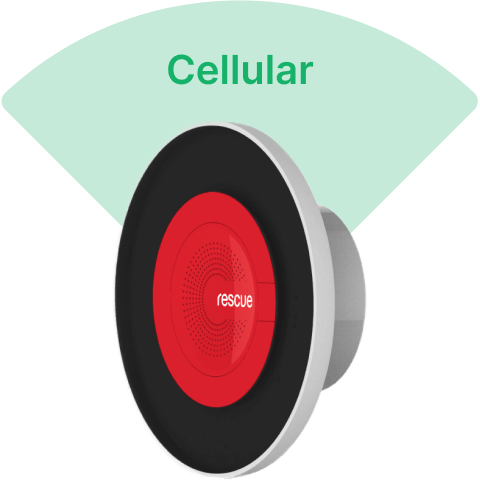
Built on infrastructure that works when networks fail—for the moments of crisis and everything in between.
The Rescue Intelligence Platform for AI Enabled Emergency Response Orchestration
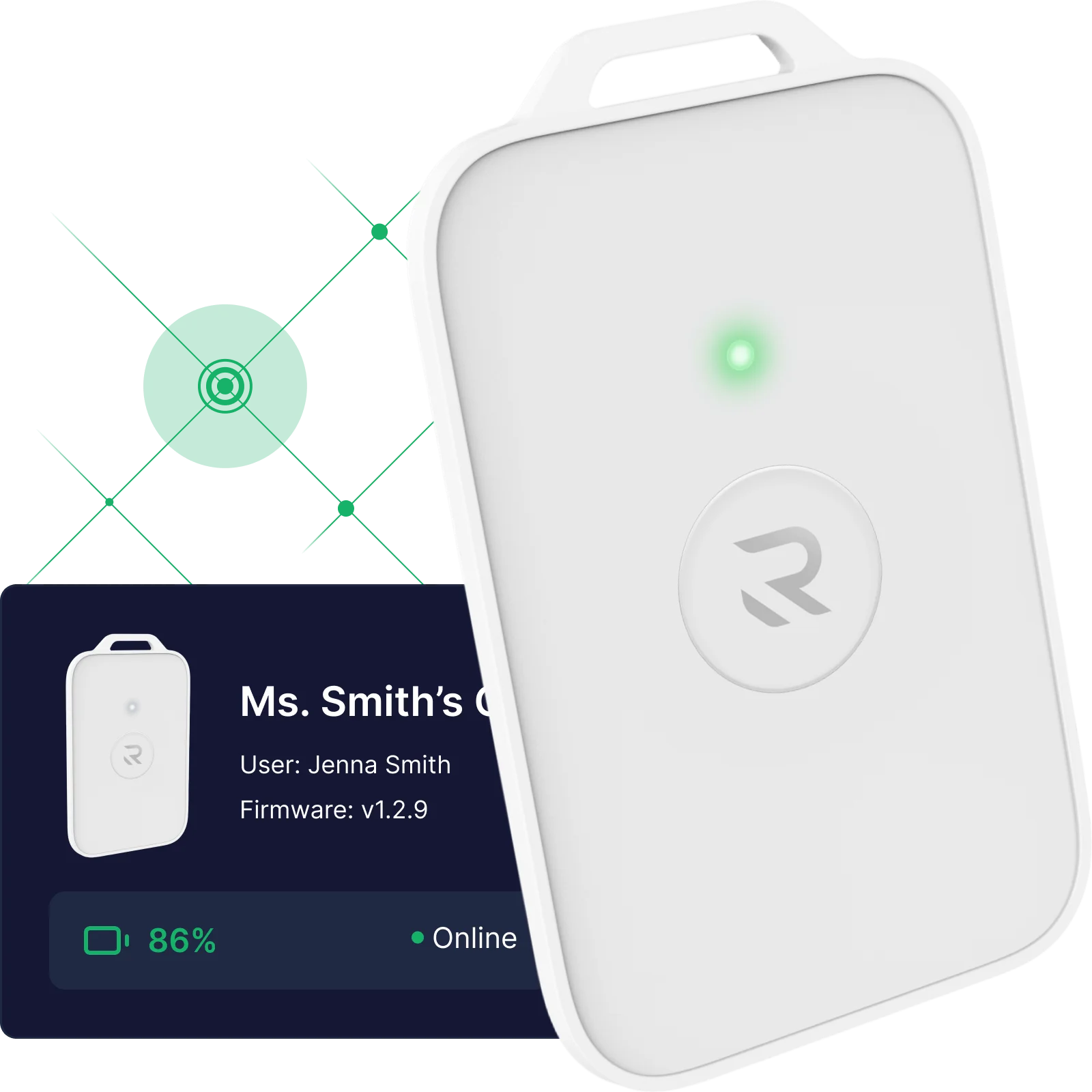
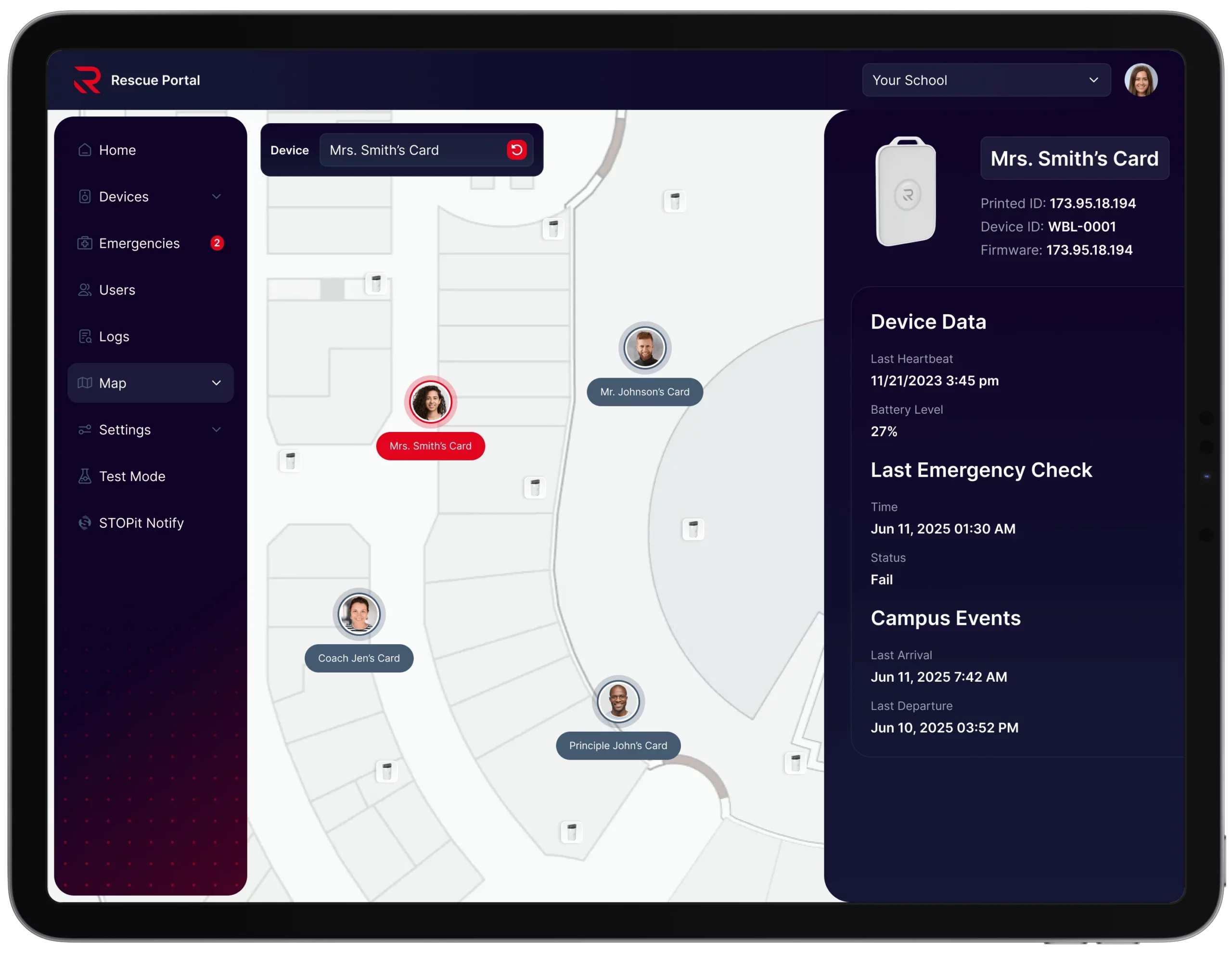
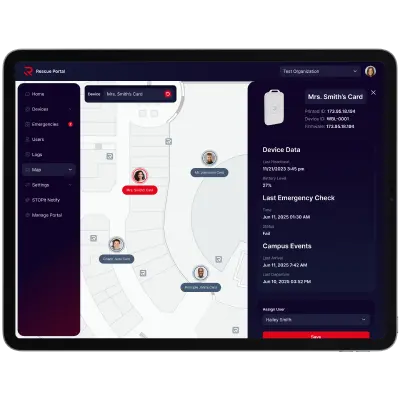
Panic buttons that show real-time visibility with complete, reliable emergency infrastructure.
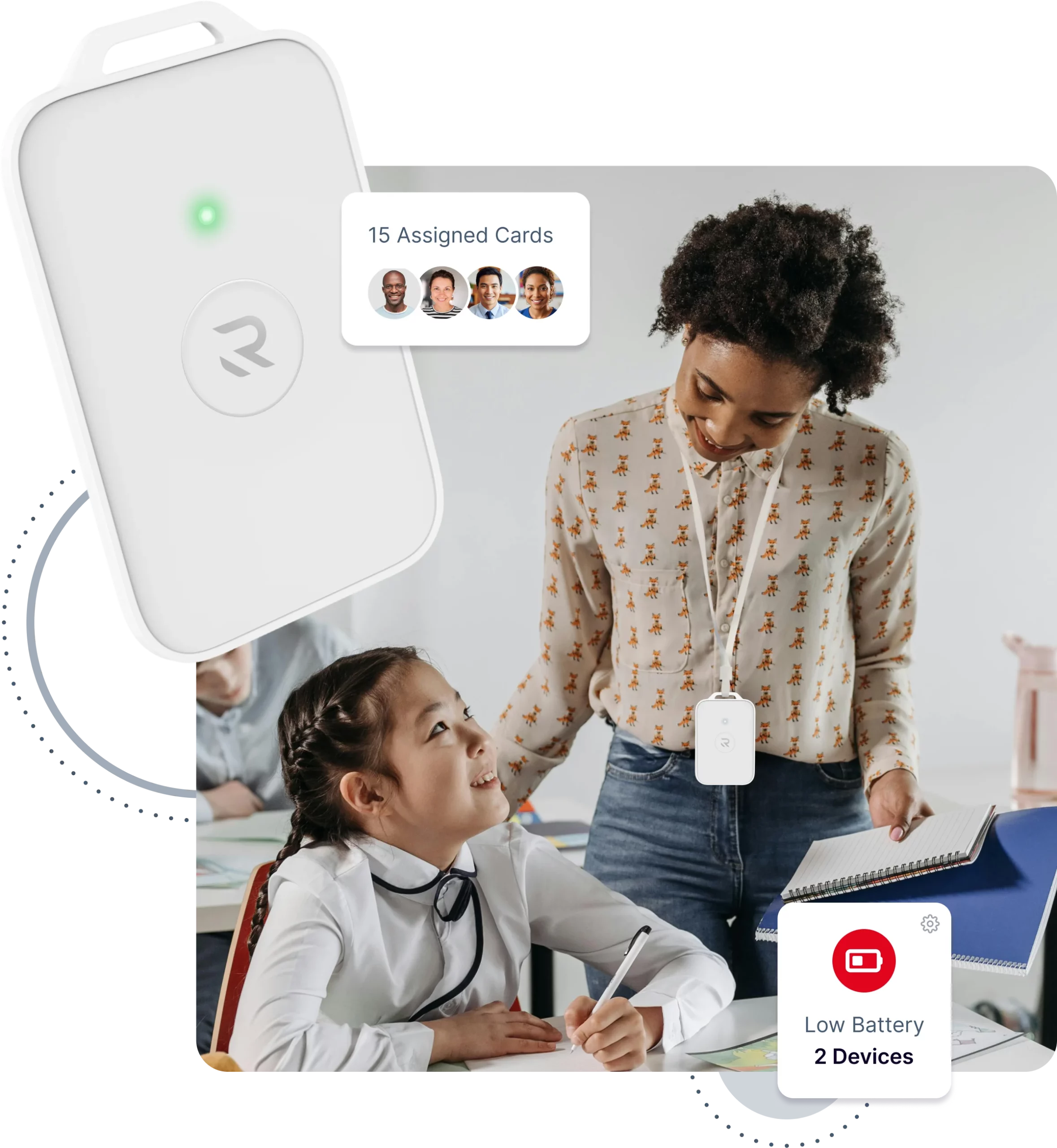
Most panic buttons leave you guessing about device status, battery life, and system health. Punch Rescue provides real-time visibility across your entire infrastructure. You know you’re ready when it matters.
Punch Rescue meets key marketplace requirements for emergency alert systems, including full alignment with Utah’s statewide RFP and Alyssa’s Law.
Fully Compliant with Alyssa’s Law
Punch Rescue complies with Alyssa’s Law, delivering silent panic buttons that connect directly to law enforcement for rapid, real-time emergency response.
School boards, insurance providers, and parents are demanding documented preparedness. They want systems and policies proven to work under the toughest conditions.
Rescue's Marketplace Standards*
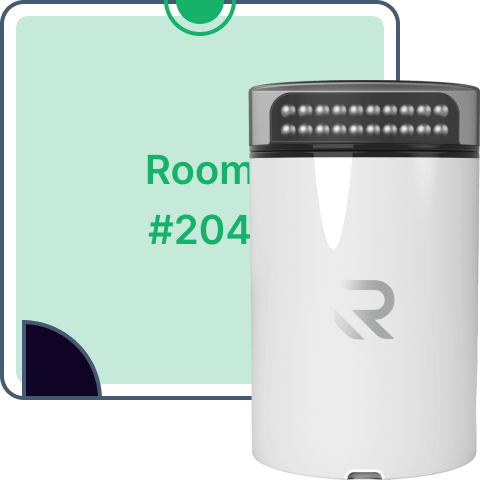
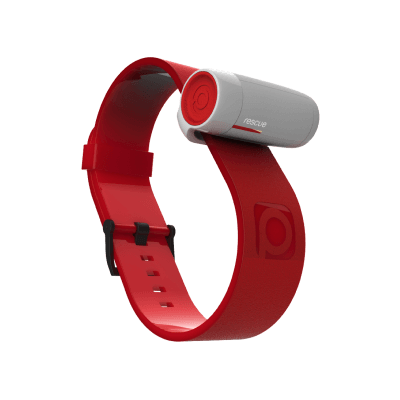
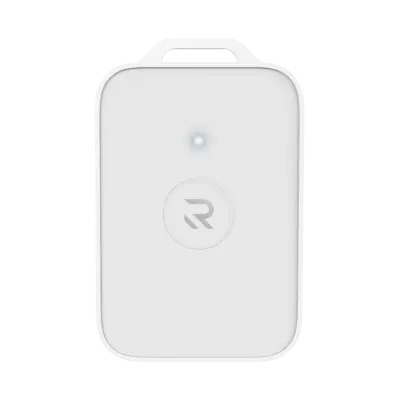
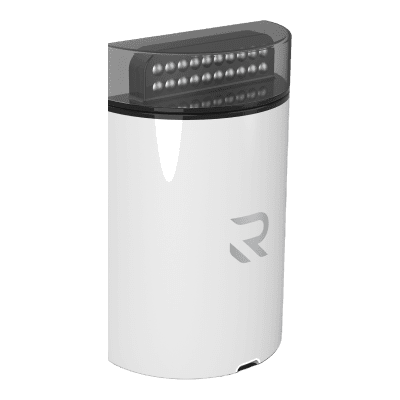
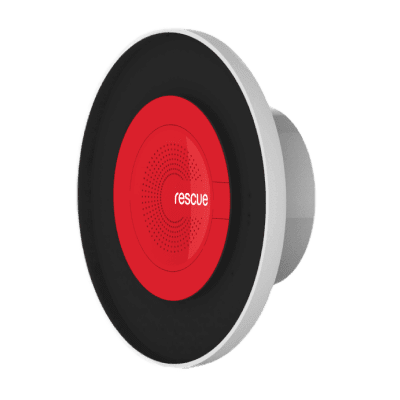
Wearable with Base Station – Lightweight, reliable, indoor/outdoor activation
Reliable Activation – Swift alerts with no third-party apps required
Backup/Failsafe Capabilities – Battery backup and mesh network redundancy; expanded backup systems in development
Training & Support – Staff onboarding included; 3-year support and device replacement
Data Privacy – FERPA compliant, encrypted communications, opt-in tracking options
Accessibility – WCAG 2.2 AA compliance underway
PSAP Communications – No middleware required; designed to increase compatibility with 911 and emergency dispatch systems
* Contact sales to learn if Punch Rescue satisfies your state and district requirements.
Pilot Program
See Punch Rescue in Action
Join our pilot program to experience real-time visibility at your facility. Limited spots available for K-12 schools, healthcare facilities, and high-duty-of-care organizations.
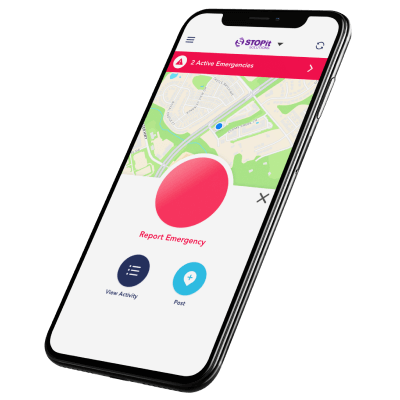
Seamlessly integrated with the leading mobile emergency management platform.
How We Started
In 2017, a young lifeguard at a YMCA of Charlotte branch suffered a seizure while opening the pool alone. She fell into the water and drowned before anyone knew she needed help.
We heard the full story later that year at a conference in Seattle. Our emergency communication platform, PunchAlert, was already deployed at that YMCA, but it couldn’t help. She couldn’t unlock a phone, open an app, or call for assistance.
That tragedy exposed the fundamental constraint: when people need help most, they often can’t use the tools we’ve given them. We spent two days in Seattle with aquatics directors and risk managers, determined to solve what software alone couldn’t. The answer wasn’t another app, it was infrastructure designed for the worst-case scenarios.
Punch Rescue was born from that commitment: wearable devices that work when nothing else can, connected to infrastructure that doesn’t rely on the person in crisis to operate it. From aquatics to K-12 schools and beyond, we’ve remained focused on one principle: protecting the people who matter most, especially when they can’t protect themselves.