March 27, 2026

A Growing Library of Safety Resources

Building a reliable emergency response system doesn’t start with hardware. It starts with understanding the problem clearly.

That’s why we’ve built a dedicated Resources section: a growing library of guides, research, and practical materials designed to help leaders make informed decisions around safety and preparedness.
Inside, you’ll find:

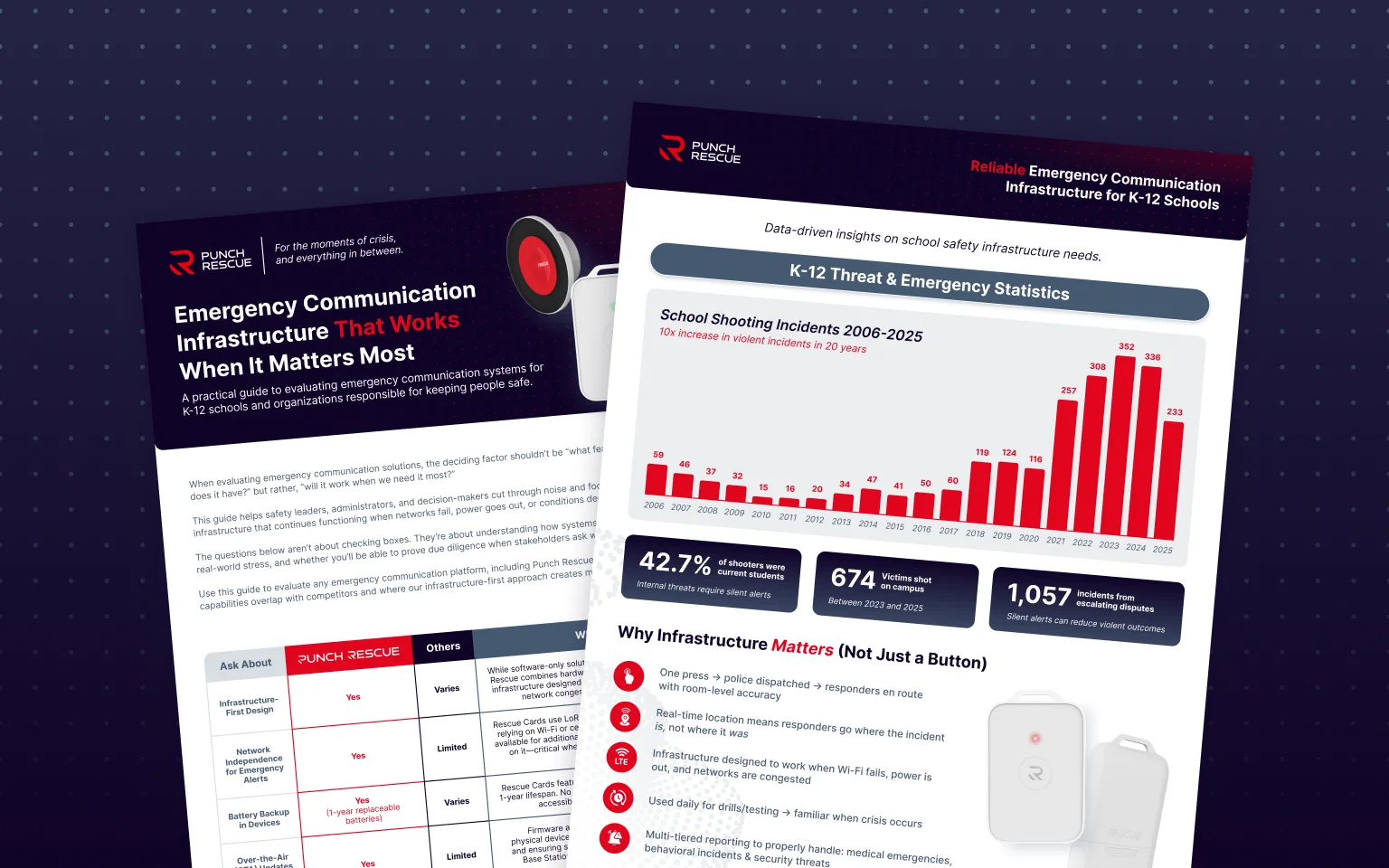
  • Downloadable guides on emergency communication infrastructure
  • Educational content on real-world system limitations and design considerations
  • Materials to support planning, evaluation, and internal discussions
  • Ongoing updates as legislation, technology, and best practices evolve

These resources are designed for safety directors, IT leaders, and administrators who are responsible for building systems that work under real-world conditions.

Our goal is simple:

Provide clear, practical information that helps facilities move from uncertainty to confidence.

Whether you’re evaluating systems, preparing for new requirements, or refining your current approach, this is a place to start.

Explore the full library here:
https://punchrescue.com/resources/
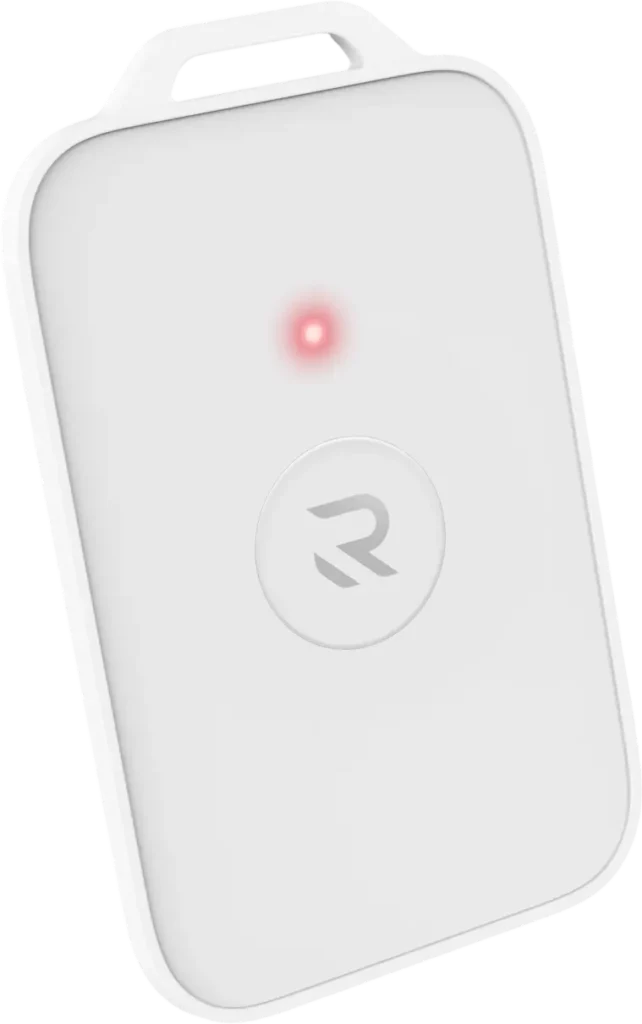
Rescue Card
The Most Reliable Panic Button Card

Related Articles

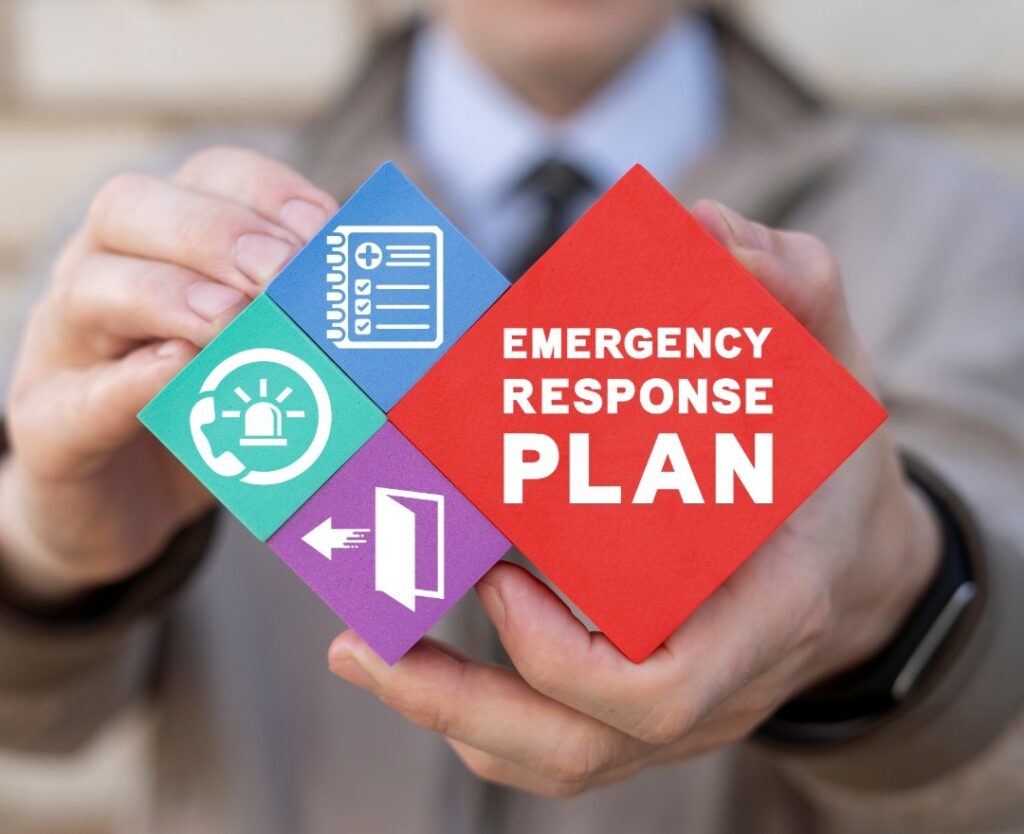
Hands holding colorful emergency response plan cards with icons for alert systems, checklists, and evacuation procedures in K-12 schools
Emergency Planning

Testing Your School’s Emergency Systems: A Practical Guide

In This Article: Most school emergency systems have never been tested under realistic conditions. They’ve been demonstrated during vendor presentations. They’ve been activated during scheduled...

red panic button
Safety Technology

What K–12 Panic Button Laws Actually Require — And Why Most Schools Aren’t Meeting the Standard

West Virginia’s legislature sent Alyssa’s Law to Governor Patrick Morrisey’s desk on March 10 with a unanimous 93–0 vote. House Bill 4798 mandates wearable panic...

research shown
School Safety

When School Safety Systems Fail: What Research Shows

In October 2025, New York City became the first city in the nation to pilot a direct-to-911 panic alert system across 51 public schools. The...

How We Started

In 2017, a young lifeguard at a YMCA of Charlotte branch suffered a seizure while opening the pool alone. She fell into the water and drowned before anyone knew she needed help.

We heard the full story later that year at a conference in Seattle. Our emergency communication platform, PunchAlert, was already deployed at that YMCA, but it couldn’t help. She couldn’t unlock a phone, open an app, or call for assistance.

That tragedy exposed the fundamental constraint: when people need help most, they often can’t use the tools we’ve given them. We spent two days in Seattle with aquatics directors and risk managers, determined to solve what software alone couldn’t. The answer wasn’t another app, it was infrastructure designed for the worst-case scenarios.

Punch Rescue was born from that commitment: wearable devices that work when nothing else can, connected to infrastructure that doesn’t rely on the person in crisis to operate it. From aquatics to K-12 schools and beyond, we’ve remained focused on one principle: protecting the people who matter most, especially when they can’t protect themselves.