- Bill: SB 838 / HB 669
- Read the Full Legislation

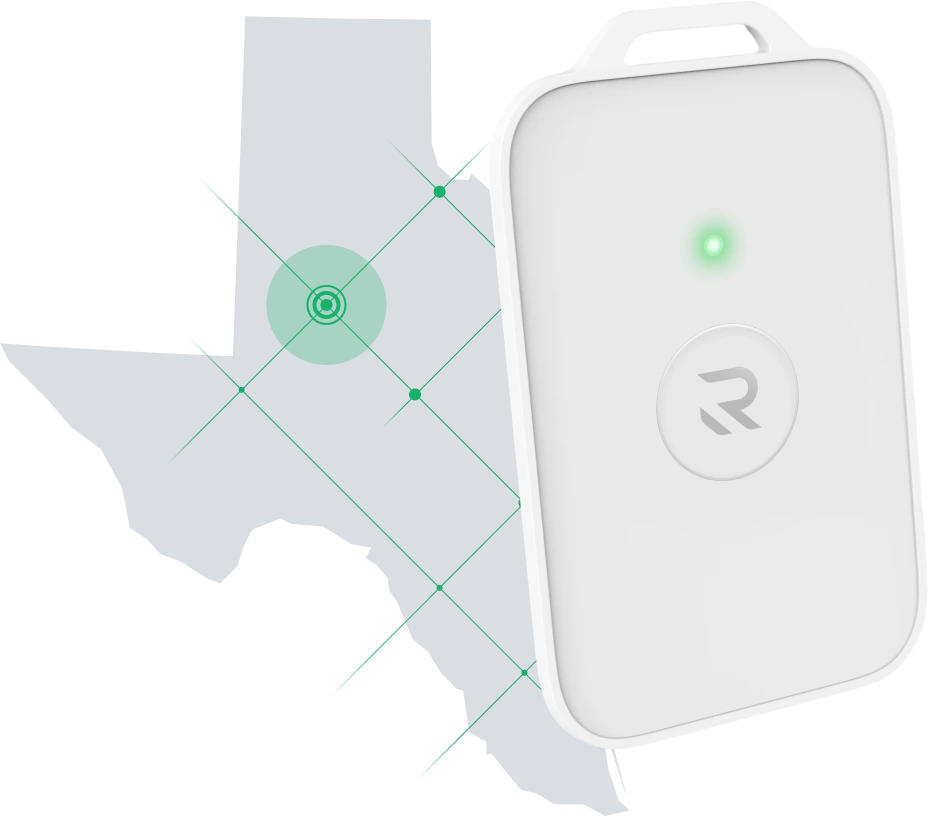
Texas SB 838 / HB 669 sets clear minimum requirements for any compliant system:
Alyssa’s Law is state legislation requiring K-12 schools to equip classrooms with silent panic-alert technology connected directly to 911 and local responders. Texas’s version is one of the strictest, mandating the technology in every classroom statewide.
Yes. Texas’s Alyssa’s Law, SB 838/HB 669, mandates silent panic alert technology in every classroom for all public school districts and open-enrollment charter schools. The 2025–2026 school year compliance deadline has already passed, so Texas districts should already be compliant.
Alyssa’s Law is named for Alyssa Alhadeff, a 14-year-old student killed in the February 14, 2018 shooting at Marjory Stoneman Douglas High School in Parkland, Florida. Her parents became leading advocates for school safety reform, pushing for legislation that would give every classroom a direct, silent line to law enforcement during an emergency (without triggering school-wide alarms that could escalate danger or tip off a threat).
Texas passed Alyssa’s Law when Governor Greg Abbott signed Senate Bill 838 on May 5, 2023. The bill passed in both chambers without opposition. It was a bipartisan signal of how clearly the legislature viewed this as a non-negotiable priority.
The law took effect September 1, 2023, with a compliance deadline of the start of the 2025–2026 school year. That deadline has now passed. All public school districts and open-enrollment charter schools in Texas must comply, regardless of size or location.
The law is explicit that silent panic alert technology does not replace the existing requirement for employees to have access to a telephone or electronic communication device in each classroom. Schools cannot consolidate these two systems. Both must be present and functional.
Alyssa’s Law has now passed in many states, including New Jersey (2019), Florida (2020), New York (2022), Texas and Tennessee (2023), Utah and Oklahoma (2024), Georgia, Washington, and Oregon (2025), and Virginia and West Virginia (2026). As of April 2026, more than 18 additional states are actively considering legislation.
Texas’s version sits in the middle of the specificity spectrum.
Texas requires a connection to law enforcement and other emergency agencies but leaves some flexibility in how that connection is established. That flexibility matters when evaluating vendors. A system that notifies only school administrators does not meet the standard. A direct connection to 911 dispatch is the safest path to full compliance. It’s also the direction the broader legislative trend is heading.
Texas has made meaningful funding available to help schools meet this mandate. Public school districts and open-enrollment charter schools can access two primary sources:
The School Safety Allotment is an ongoing funding stream administered by the Texas Education Agency. It covers a broad range of safety and security investments, including silent panic alert technology. Schools can apply these funds through their standard procurement process.
The Texas Education Agency has allocated $17.1 million specifically for silent panic alert systems that meet Alyssa’s Law requirements. This grant is designed to offset the cost of purchasing and deploying compliant systems.
Keep in mind, grant cycles have deadlines that often precede the school year. Districts that haven’t yet applied should contact TEA directly to confirm current availability and application windows.
How Does Punch Rescue Meet Texas Alyssa’s Law Requirements?
Punch Rescue provides resilient hardware and software designed to work when it matters most. For Texas schools, that means an emergency communication system that satisfies every requirement of S.B. 838/HB 669 and is built to remain functional when app-based solutions fail.
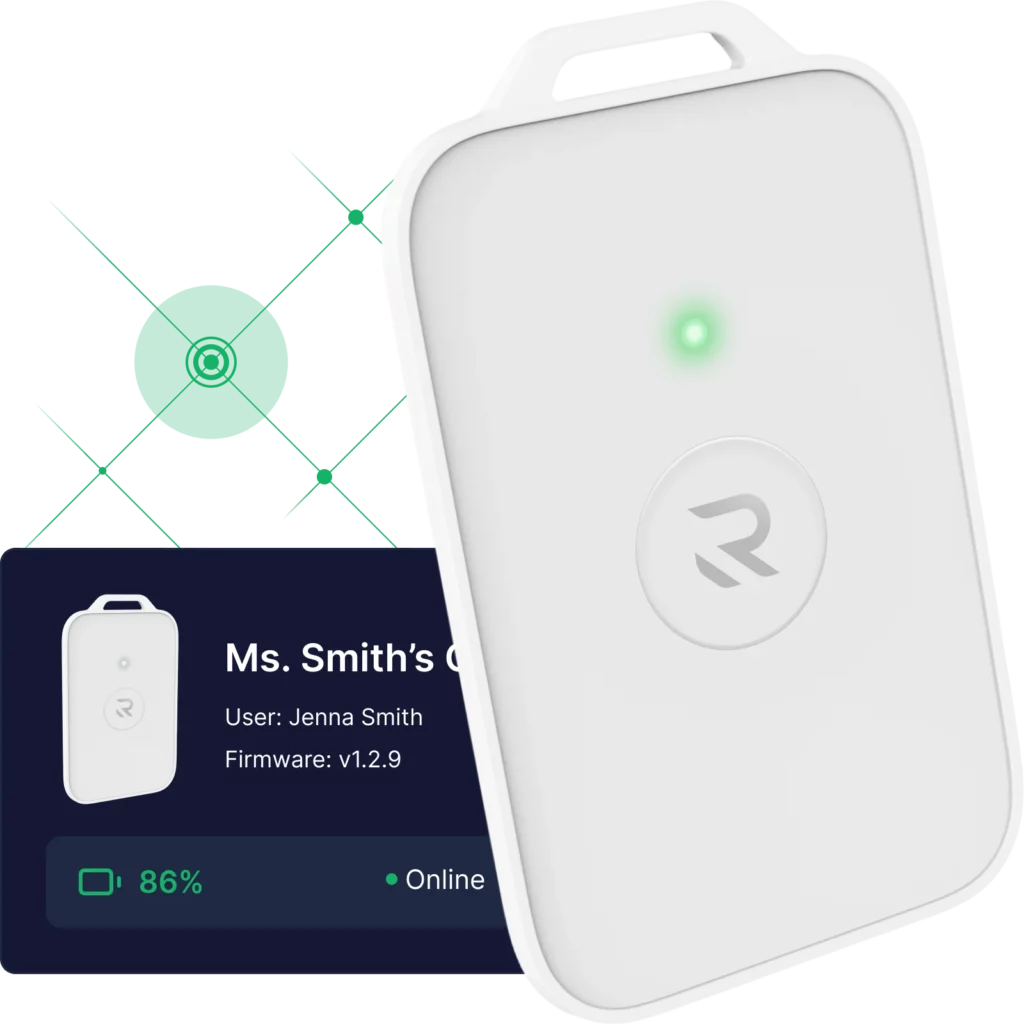
The Rescue Card is a wearable panic button worn by teachers and staff. When pressed, it silently triggers an emergency alert. There’s no phone required. Rescue Repeaters extend signal coverage across a campus. This includes classrooms, gymnasiums, portable buildings, and outdoor areas where WiFi dead zones are common. The Rescue Base Station anchors the system’s communication infrastructure, with approximately six hours of battery backup to maintain operation during power disruptions.
Punch Rescue integrates with RapidSOS, a platform that connects activated panic button alerts directly to 911 and public safety agencies. The moment a Rescue Card is pressed, RapidSOS transmits real-time incident data (including location and alert type) to the appropriate dispatch center. This helps to address S.B. 838/HB 669’s requirement for connection to law enforcement, fire departments, and health departments. It positions Texas schools ahead of the PSAP integration requirements emerging in other states.
Punch Rescue integrates with Mappedin to embed dynamic indoor facility maps directly within the response dashboard. When an alert is triggered, first responders receive accurate, room-level location data. This is the kind of precise location information that is already required in states like Oklahoma.
Punch Rescue integrates with Lightspeed Notify for emergency communication coordination, automated response plan distribution, and mass notifications. When an incident occurs, the right people (administrators, staff, and first responders) receive the right information automatically. This is without requiring manual steps during a moment of crisis.
A well-chosen system should do more than check the legal box. It should give your staff genuine confidence in a moment when everything else is uncertain. When evaluating systems, you need to ask:
Punch Rescue is built to answer yes to all of the above. It’s also highly customizable, to meet unique school district needs and specifications.
Yes. Texas’s Alyssa’s Law (SB 838 and HB 669), effective May 5, 2023, mandates silent panic alert technology in every classroom for all public school districts and open-enrollment charter schools. The compliance deadline (the start of the 2025–2026 school year) has passed.
Immediate contact capability with district or school emergency services, plus a connection to local law enforcement, fire departments, and health departments. It must also operate silently, without tipping off a threat.
No. Texas law is explicit that silent panic alert technology does not replace the existing requirement for staff to have access to a telephone or electronic communication device in each classroom. Districts cannot consolidate the two systems into one.
All public school districts and open-enrollment charter schools. Private schools are not covered by SB 838/HB 669.
Texas Education Code §48.115 created an ongoing School Safety Allotment, and the TEA Silent Panic Alert Technology (SPAT) Grant allocated $17.1 million specifically for this mandate. Because allotment amounts and grant windows change, contact Punch Rescue’s sales team to confirm current funding and pricing options for your district.
Punch Rescue’s Rescue Card, Rescue Repeaters, and RapidSOS integration are built to satisfy the classroom-level, silent, multi-agency connection SB 838/HB 669 requires. Reach out to Punch Rescue to confirm current SPAT Grant documentation support for your district.
Texas mandates silent panic alert technology in every classroom. The compliance deadline has already passed.
Most panic buttons leave you guessing about device status, battery life, and system health. Punch Rescue provides real-time visibility across your entire infrastructure, so you know your school is ready when it matters most.