
North Carolina school safety requirements and legislative updates for 2026. Learn about panic button systems, compliance standards, and emergency preparedness.
Inside this Article:
- What Does North Carolina Currently Require?
- Why Prepare Your School Before Any Legislation Passes?
- How Do You Best Take Action Now?
North Carolina hasn’t passed Alyssa’s Law yet, but that doesn’t mean school safety leaders can wait to think about emergency communication infrastructure. Eleven states have already enacted legislation requiring silent panic alarms directly linked to law enforcement. Another 18+ states are actively considering similar requirements. Emergency infrastructure is quickly moving from being “nice to have” to being a standard compliance requirement.
For North Carolina school administrators, now is the time to understand what’s coming and evaluate solutions before urgency forces rushed decisions.
What Is “Alyssa’s Law?”
“Alyssa’s Law” refers to a type of legislation named in memory of Alyssa Alhadeff, who was killed in the Parkland shooting. The legislation requires schools to install silent panic alarm systems that connect directly to law enforcement.
While specific requirements vary by state, most Alyssa’s Law statutes include these common elements:
- Silent activation that doesn’t alert an intruder
- Direct law enforcement notification with real-time coordination
- Building-wide coverage across all school facilities
- Location information to help responders navigate to incidents quickly
States like Texas have backed this legislation with significant funding, totaling $17.1 million in SPAT grants for 2025-2026. Georgia allocated $108.9 million to ensure all schools have panic button systems.
Current North Carolina School Safety Landscape
North Carolina requires all public schools to have comprehensive crisis management plans under G.S. 115C-105.47. These plans must address emergency response procedures, evacuation protocols, and communication systems.
The North Carolina Department for Public Safety provides resources, training, and technical assistance to help districts develop and maintain these plans. They emphasize regular drills, staff training, and ongoing system testing.
However, North Carolina doesn’t currently mandate specific panic button technology or wearable emergency button systems. This gives school leaders flexibility in choosing solutions, but it also means responsibility for making informed decisions falls squarely on administrators.
Why Prepare Before Legislation Passes?
Waiting for a mandate can create some serious problems…
- Budget scrambles: When legislation passes, every district in the state suddenly needs funding for the same systems. Grant money gets competitive. Budget cycles don’t align with compliance deadlines.
- Limited vendor capacity: Quality vendors can only deploy so many systems simultaneously. First-come, first-served becomes the reality when entire states need infrastructure at once.
- Rushed decisions: Compliance pressure forces quick vendor selection without adequate pilot testing or staff input. You get stuck with whatever you can deploy fastest, not what actually works best for your environment.
- Implementation challenges: Rolling out new emergency infrastructure takes time. Staff need training. Systems need testing. Integration with existing workflows requires planning. Rushed implementations lead to gaps in coverage and adoption.
Schools that evaluate and deploy emergency communication infrastructure before mandates hit have advantages. They get more vendor options, better pricing, time for proper piloting and training, and proven systems when legislation does pass.
Taking Action Now
North Carolina school leaders don’t need to wait for mandates to improve emergency communication infrastructure. There are several steps that can be taken right away:
Request pilot programs: Test systems in your actual buildings before committing to district-wide deployment. Verify coverage in dead zones, validate battery life claims, and see how staff respond to interfaces under realistic conditions.
Build relationships with quality vendors: Understand what solutions exist, how they address infrastructure dependencies, and what implementation timelines look like.
Document your evaluation process: When you do make decisions, having a paper trail showing you evaluated options based on infrastructure resilience demonstrates defensibility.
Start building muscle memory: Regular drills with whatever system you choose create procedural memory that survives stress. Familiarity turns training into instinctive action.
The Available Advantage for North Carolina Schools
Being ahead of legislation gives North Carolina schools leverage that won’t exist once mandates pass. You can evaluate thoughtfully, pilot thoroughly, and deploy strategically.
Your school system needs emergency communications infrastructure that still works reliably when everything else has gone wrong. The time to build that infrastructure is now, before you’re required to scramble.
TL;DR: North Carolina School Safety Requirements in 2026
Has North Carolina Passed Alyssa’s Law?
Not yet, but 11 states have already enacted panic alarm legislation and 18+ more are considering it:
- Most require silent activation with direct law enforcement notification
- Building-wide coverage and real-time location coordination are common requirements
- States like Texas and Georgia are backing mandates with significant funding
What Does North Carolina Currently Require?
All public schools must have comprehensive crisis management plans under G.S. 115C-105.47. The NC Center for Safer Schools provides resources and training. However, specific panic button technology isn’t currently mandated. This gives administrators flexibility in choosing solutions.
Why Should Schools Act Before Legislation Passes?
- Avoid budget scrambles when every district needs funding simultaneously.
- Access more vendor options before capacity gets constrained.
- Allow time for proper pilot testing and staff training.
- Demonstrate proactive preparedness rather than reactive compliance.
→ Ready to Evaluate Emergency Infrastructure Before Mandates Hit?
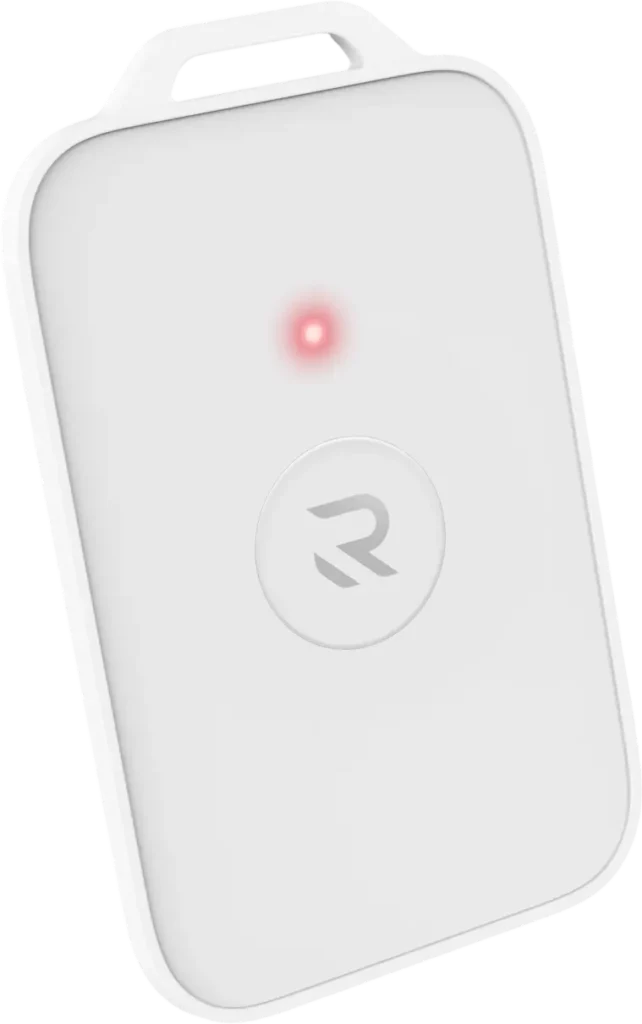
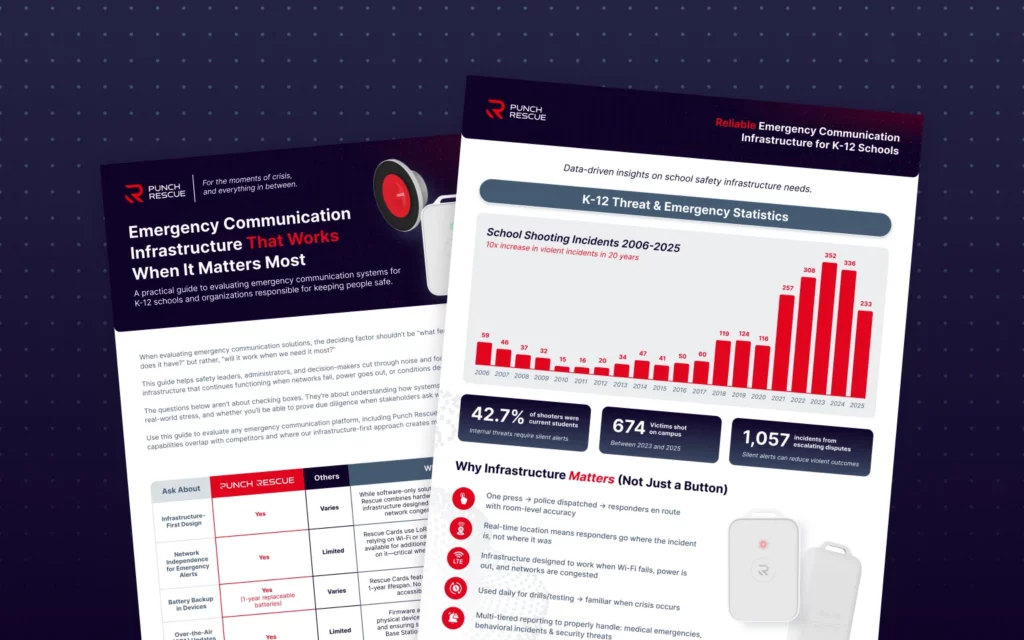
Punch Rescue provides network-independent emergency communication systems with wearable panic buttons, battery backup, and building-wide coverage. We let North Carolina schools test infrastructure in their actual environments before district-wide commitment.
Contact our team to discuss how infrastructure-first design addresses the requirements likely coming to North Carolina—and supports defensible preparedness today.