January 3, 2026

Patent-Pending

At the heart of Punch Rescue lies a breakthrough in emergency architecture. We’ve filed a patent around our unique infrastructure design, giving safety teams an unmatched level of visibility and dependability in high-stakes situations.

What makes it different?

  • Two Dedicated Networks
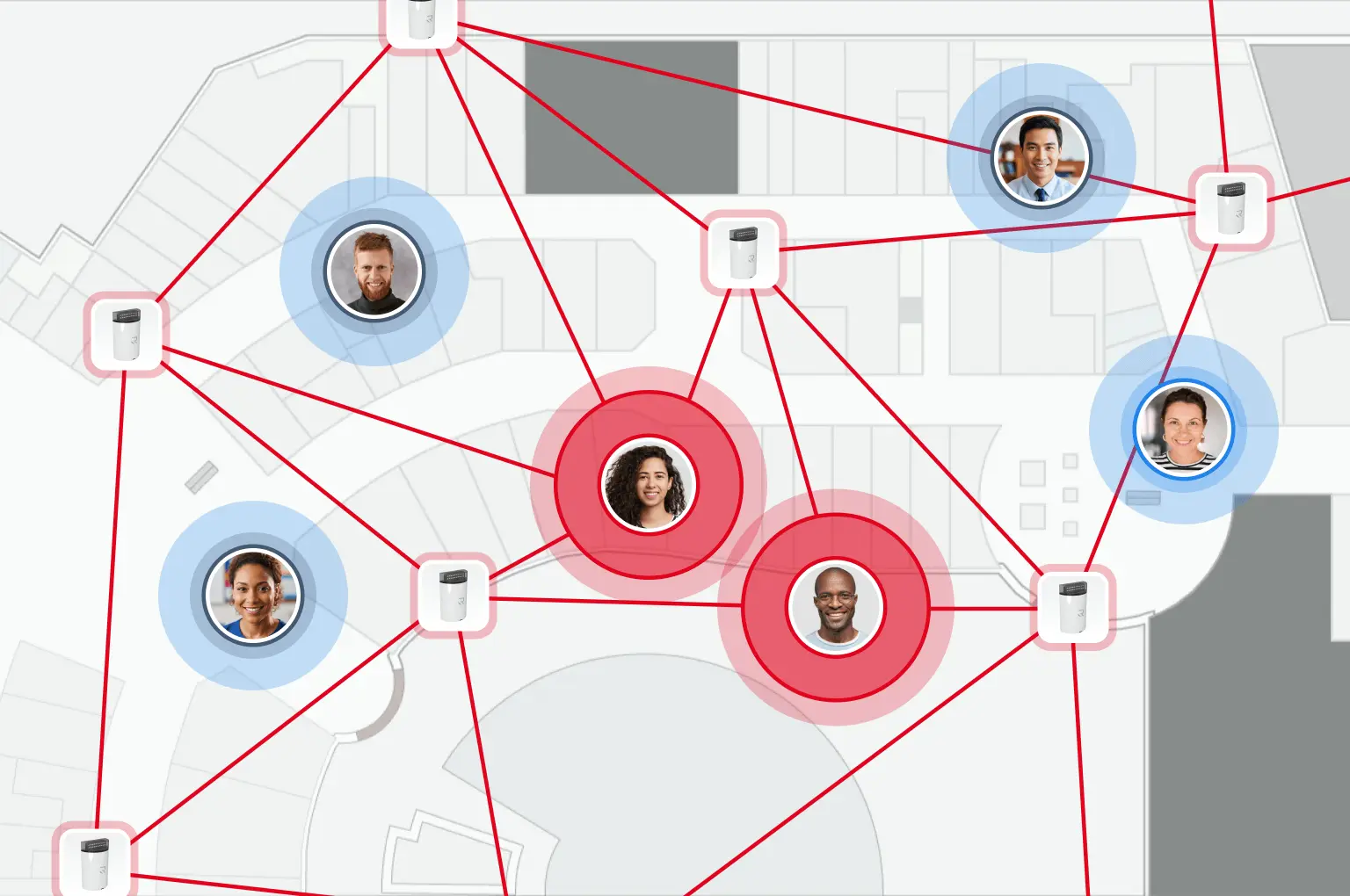
    Our system uses LoRa mesh exclusively for emergency alerts, allowing multiple devices to report an incident, even if Wi-Fi or the primary network goes down.
  • Real-Time Awareness via BLE
    Separately, we’ve reversed typical Bluetooth architecture. Instead of relying on beacons on walls, Rescue Cards broadcast their BLE pulses, enabling accurate, real-time indoor location updates… even during an emergency.
  • No More Trade-Offs
    In most panic button systems, reliability and real-time location work against each other. With Rescue, they reinforce each other. Our system stays live, visible, and accurate, even when the pressure is on

This dual-network design… real-time awareness on one signal, emergency mesh communication on another… is core to our patent and a defining feature of what makes Punch Rescue so unique.
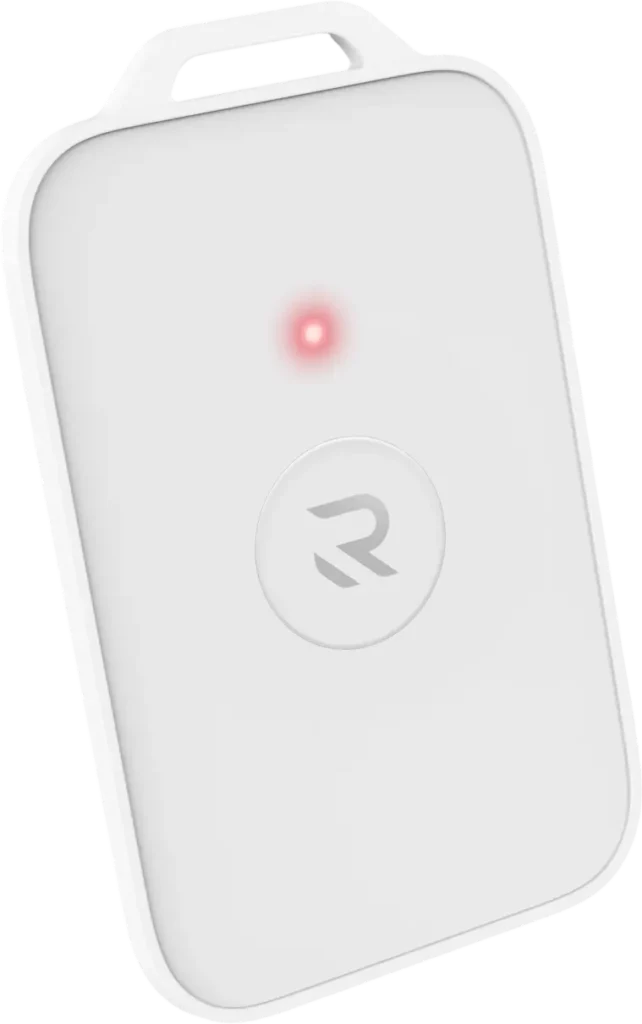
Rescue Card
The Most Reliable Panic Button Card

Related Articles

School zone safety sign representing K-12 emergency infrastructure and student protection.
Emergency Planning

Building Emergency Infrastructure That Actually Works When Schools Need It

Most school emergency systems fail during actual crises. Learn why network independence, battery backup, and simple wearable panic buttons make the difference. Inside this Article:...

Emergency Planning

Testing Without Triggering an Emergency

The Rescue Network now includes remote Test Mode, allowing administrators to place the system into a controlled testing state directly from the dashboard....
A student holding a sign to advocate for school safety infrastructure and emergency preparedness.
School Safety

Emergency Communication Failures: What Parkland and Uvalde Revealed About School Safety Systems

Official reports from Parkland and Uvalde revealed critical emergency communication failures. What do these incidents teach about school safety infrastructure? Inside this Article: When school...

How We Started

In 2017, a young lifeguard at a YMCA of Charlotte branch suffered a seizure while opening the pool alone. She fell into the water and drowned before anyone knew she needed help.

We heard the full story later that year at a conference in Seattle. Our emergency communication platform, PunchAlert, was already deployed at that YMCA, but it couldn’t help. She couldn’t unlock a phone, open an app, or call for assistance.

That tragedy exposed the fundamental constraint: when people need help most, they often can’t use the tools we’ve given them. We spent two days in Seattle with aquatics directors and risk managers, determined to solve what software alone couldn’t. The answer wasn’t another app, it was infrastructure designed for the worst-case scenarios.

Punch Rescue was born from that commitment: wearable devices that work when nothing else can, connected to infrastructure that doesn’t rely on the person in crisis to operate it. From aquatics to K-12 schools and beyond, we’ve remained focused on one principle: protecting the people who matter most, especially when they can’t protect themselves.