Punch Rescue offers emergency communications infrastructure that keeps school districts prepared and allows them to act with confidence in the most critical conditions.
Our system is reliable – even when networks fail and power goes out.
What is The Problem with Relying on Apps and Wi-Fi?
When emergencies happen, the safety systems schools rely on often fail. Networks congest. Wi-Fi goes down. Apps require charged phones, enabled notifications, and staff who remember to open them under pressure.
These are documented patterns. Public reports from Parkland, Uvalde, and Virginia Tech indicated complications related to network congestion, power loss, and the emotional weight of stress during incidents.
What Are Common Safety System Failures?
Emergency plans that work on paper but fail during drills or actual incidents
Wi-Fi-dependent systems that offer no backup when networks fail or power goes out
Dead zones inside buildings where cellular signals and radios don't reach
App-based solutions that only work if staff have charged devices, enabled notifications, and remember which app to open
A lack of documentation and testing to prove due diligence when boards, parents, or media ask about proper preparedness
Punch Rescue Ecosystem
Three Components. One Unified System.
Rescue
Cards
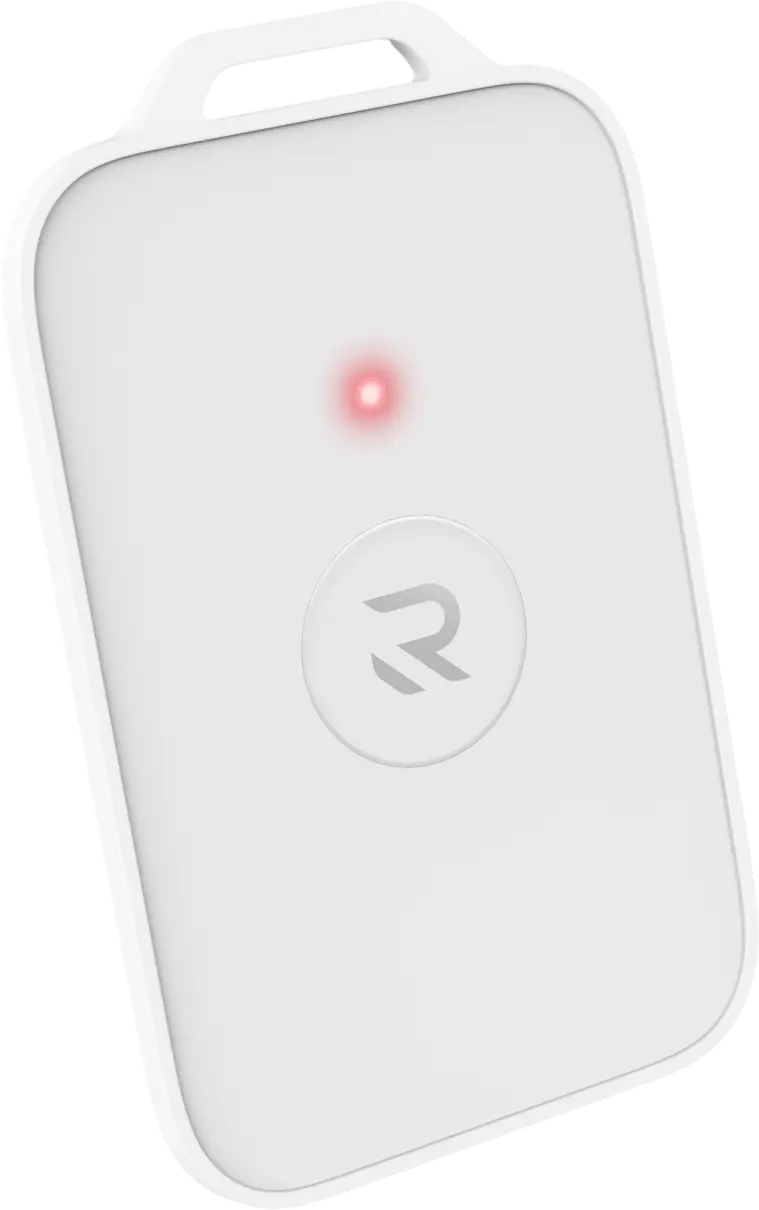
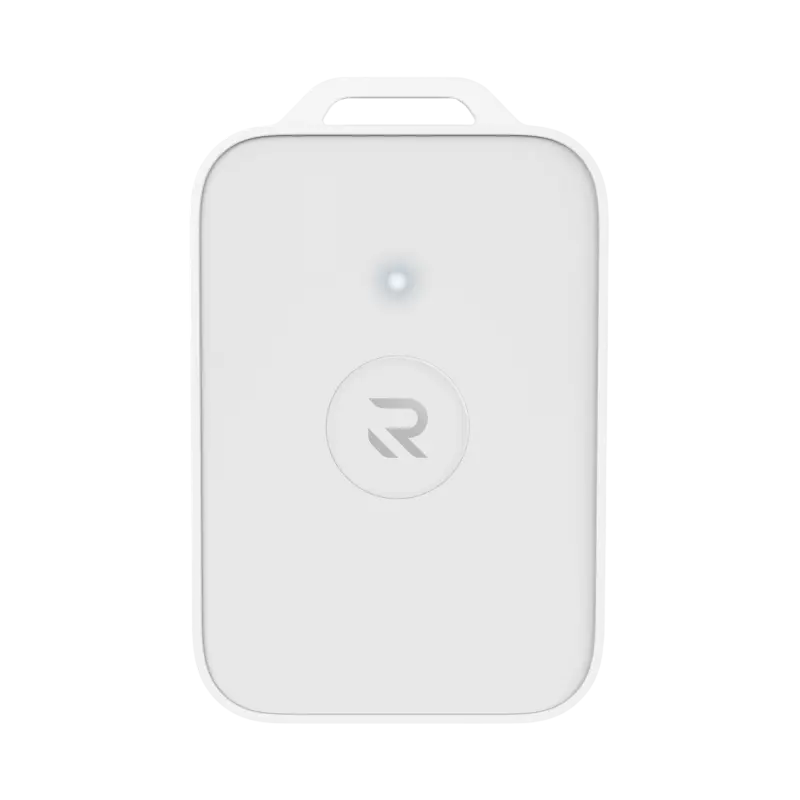
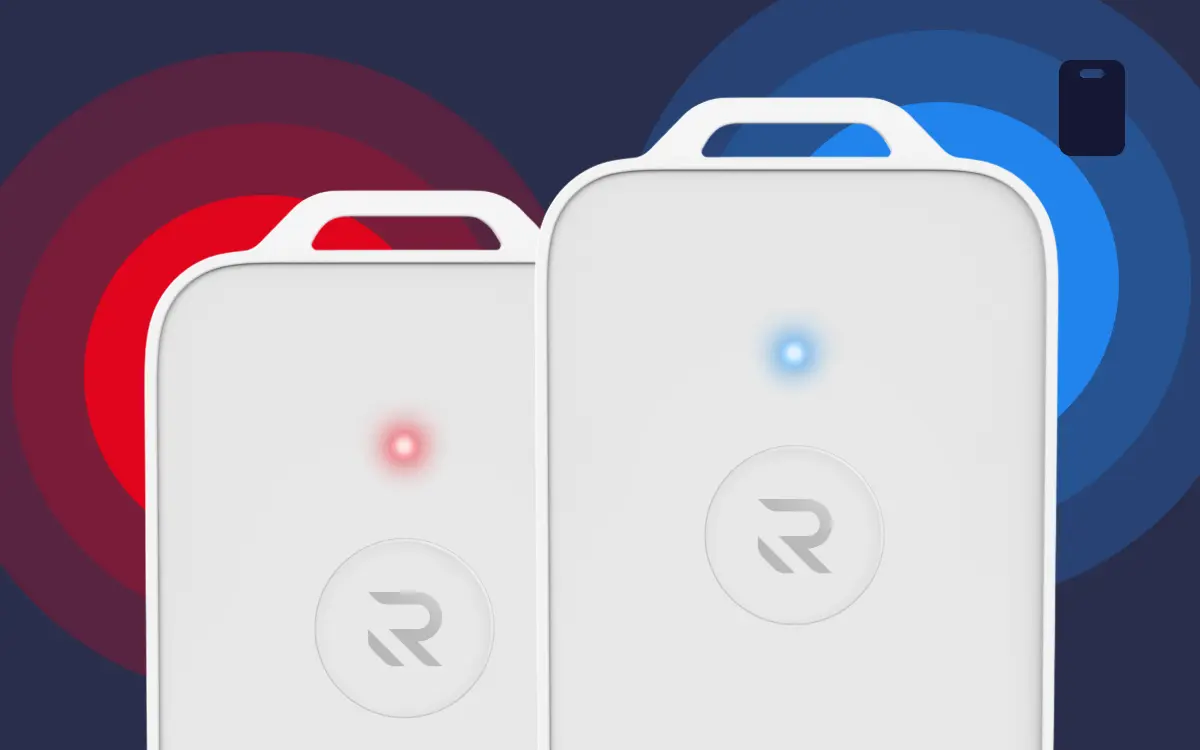
Wearable panic buttons with reliable communication capabilities. Does not rely on Wi-Fi or apps. Operates when primary networks fail.
Rescue
Repeaters
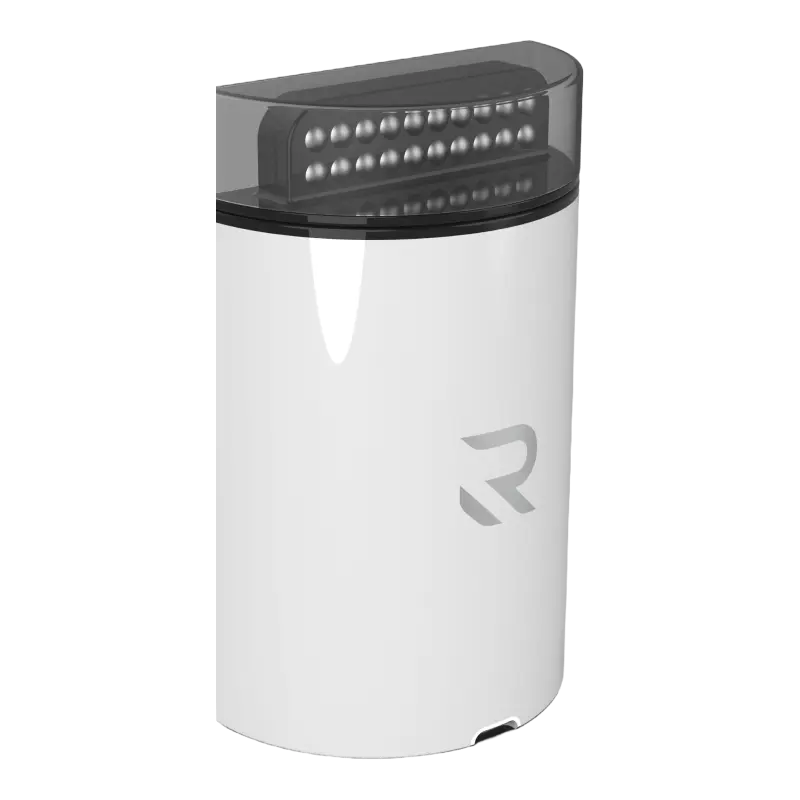
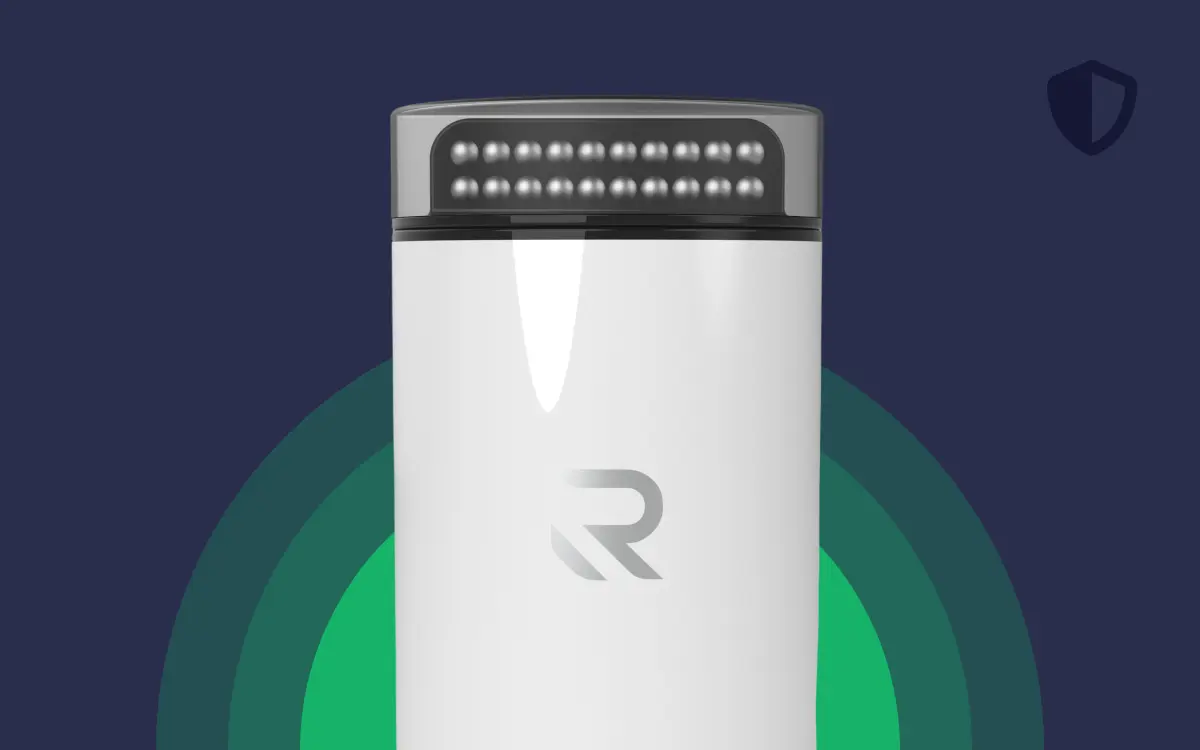
Smart multi-purpose devices in each room for receiving, rebroadcasting, and tracking signals across your campus.
Rescue
Base Stations
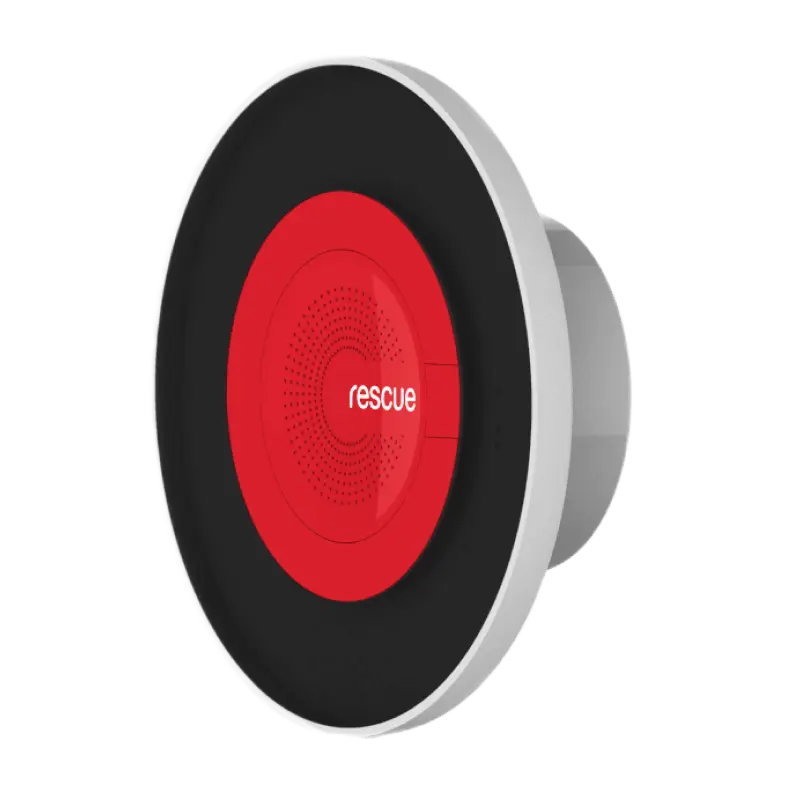
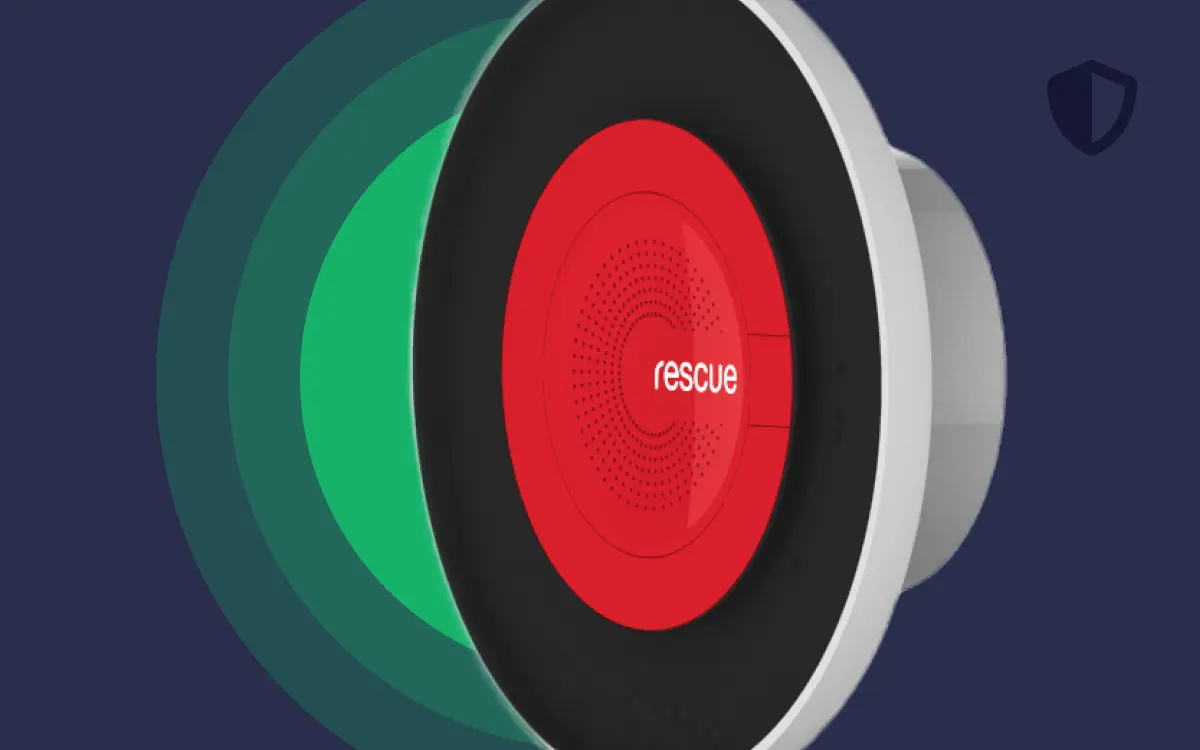
Central hub with battery backup, cellular fallback, and audible emergency alerts.
Problems We Solve
How do school emergency systems work during power outages?
Punch Rescue doesn’t rely on your network staying up or staff remembering passwords under pressure. It’s designed from the ground up for any reality a school may face, including power outages, network congestion, and building construction that blocks signals. More importantly, it’s infrastructure your team uses regularly. Daily operational use builds the muscle memory that turns training into instinctive action.
Network Independence
What happens if Wi-Fi fails during a school emergency?
Punch Rescue doesn’t depend on your Wi-Fi or cellular network for emergency reporting. Our mesh-based infrastructure creates its own communication pathway.
When public networks congest or fail (as they did during Parkland and Uvalde), your school’s emergency system keeps functioning. Wi-Fi may be used when available, but it’s never required.
Building-Wide Coverage
Designed to Quickly Reach Everyone
Strobes, sirens, and PA system integration alert everyone in your building. This includes visitors, contractors, students who left their phones in lockers, and staff members in dead zones.
App-based solutions only reach enrolled users with charged devices and enabled notifications. Punch Rescue reaches the entire campus, regardless of who owns a device.
Indoor Mapping
Room-Level Location Precision
Indoor mapping provides responders with clear, building-specific context during incidents. Instead of approximate GPS coordinates, first responders receive exact room-level locations (the specific classroom, hallway, or office where help is needed).
This eliminates guesswork and wasted time searching buildings. Teams arrive with actionable intelligence, enabling them to respond with confidence and speed from the moment they enter campus.
Simple Under Pressure
One Button. No Apps to Find.
Research from NASA, FAA, and military stress training shows how our cognitive capacity shrinks under acute stress. This means complex systems fail when people need them most. Rescue Cards, however, are always accessible.
There’s no need to unlock a phone, find an app, or navigate menus. Alerts are initiated without third-party apps, with room-level locations sent directly to first responders and administrators.
Compliance and Readiness
How to Meet School Safety Standards Across the Nation
Recommended or Required Across States
Eleven states have already passed Alyssa’s Law, mandating silent alarms directly linked to law enforcement. Numerous others are actively considering similar legislation.
School boards, insurance providers, and parents are demanding documented preparedness. They want systems and policies proven to work under the toughest conditions.
Punch Rescue Helps Meet Key Requirements*
Wearable with Base Station – Lightweight, reliable, indoor/outdoor activation
Reliable Activation – Swift alerts with no third-party apps required
Backup/Failsafe Capabilities – Battery backup and mesh network redundancy; expanded backup systems in development
Training & Support – Staff onboarding included; 3-year support and device replacement
Data Privacy – FERPA compliant, encrypted communications, opt-in tracking options
Accessibility – WCAG 2.2 AA compliance underway
PSAP Communications – No middleware required; designed to increase compatibility with 911 and emergency dispatch systems
* Contact sales to learn if Punch Rescue satisfies your state and district requirements.
Features
A Feature Rich Panic Button
Simple Panic Button
Lightweight Card Design
Multiple Ways to Wear
Easy Testing Mechanism
Emergency App Integration
Customizable Reporting
Track Device Status
Room-Level Accuracy
Doesn’t Rely on Wifi or Cellular
Indoor and Outdoor Use
Punch Rescue — When It Matters
Reliability isn’t optional. Emergency systems should work without constant attention, and without crossing your fingers during drills.
See how your current safety plan compares to the infrastructure K-12 schools can trust.