Wearable panic buttons outperform smartphone apps in school emergencies. Learn why dedicated hardware beats app-based systems when conditions are degraded.
School safety leaders are often told that a panic button app on a smartphone is enough. It comes with no new hardware, and it’s easy to deploy. But when the moment actually comes, smartphone-dependent systems face a series of compounding problems that dedicated hardware is specifically designed to avoid.
Why Do Smartphone Panic Button Apps Fail During School Emergencies?
App-based systems depend on a chain of conditions all being true at once. The staff member’s phone needs to be charged. Notifications need to be enabled. The school’s Wi-Fi or cellular network needs to be functioning. The user needs to unlock the device, find the app, and navigate the interface, all while under extreme stress.
Any single link in that chain failing creates a gap in coverage. And during a real emergency, several of those links are likely to fail simultaneously. Networks congest when everyone in a building is trying to communicate at once. Power outages take down Wi-Fi access points. Stress impairs the fine motor control and working memory needed to navigate multi-step interfaces.
Official investigations into major school incidents have documented radio systems becoming overwhelmed, networks failing under surge demand, and responders resorting to hand signals when communication infrastructure broke down. App-based panic button systems face the same network vulnerabilities.
How Does a Wearable Emergency Button Work Differently?
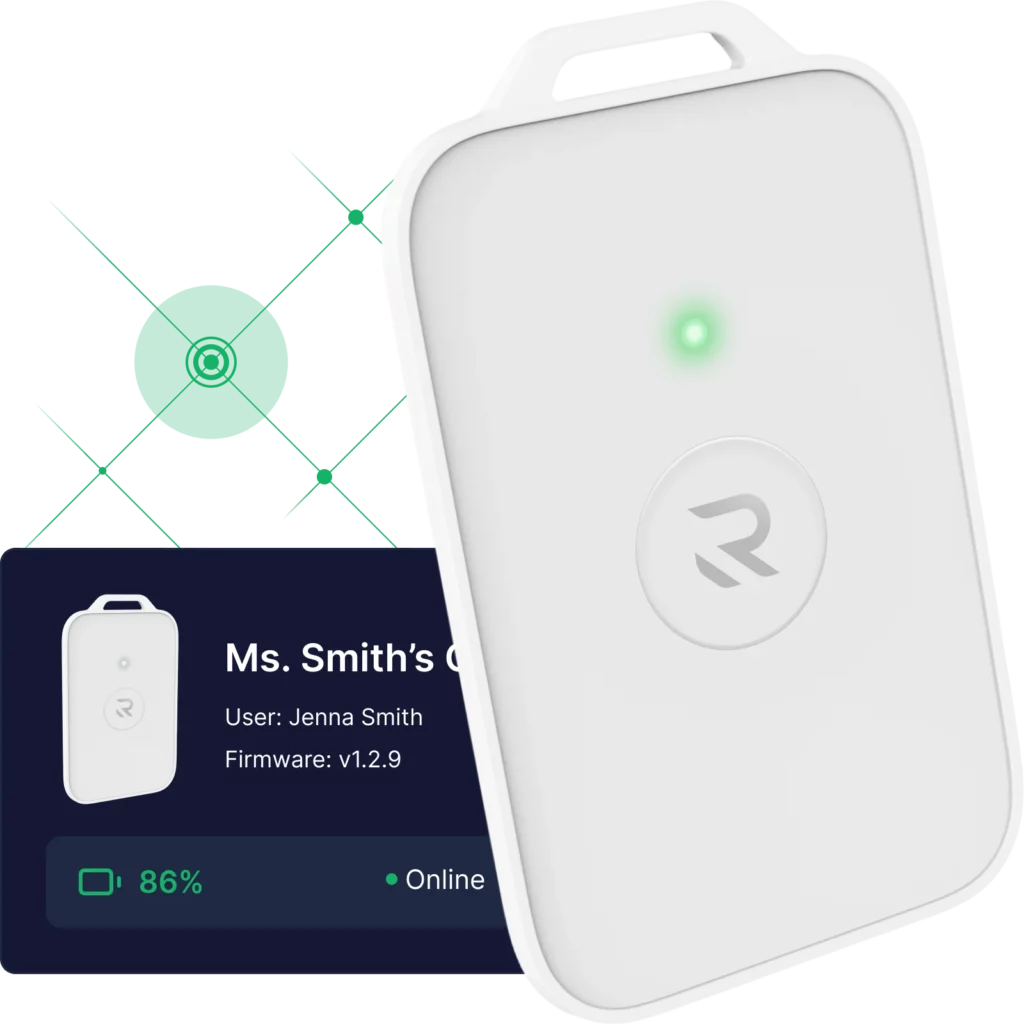
A wearable panic button is always on the person. There is no need to unlock screens, no app to find, and no menu to navigate. One button press initiates the alert. That simplicity is a functional design choice grounded in how human physiology works under threat.
When adrenaline surges, cognitive capacity shrinks. Procedural memory takes over from conscious recall. Actions that are physical, simple, and practiced are far more likely to succeed than multi-step digital processes. A wearable emergency button requires only one decision: press it.
Hardware-integrated systems also operate on dedicated communication networks rather than shared Wi-Fi or cellular infrastructure. Emergency signals travel on separate pathways that do not compete with the surge traffic that congests consumer networks during incidents. Having battery backup in the devices and their supporting infrastructure means power loss does not disable the system.
What Coverage Gaps Do Wearable Panic Buttons Address?
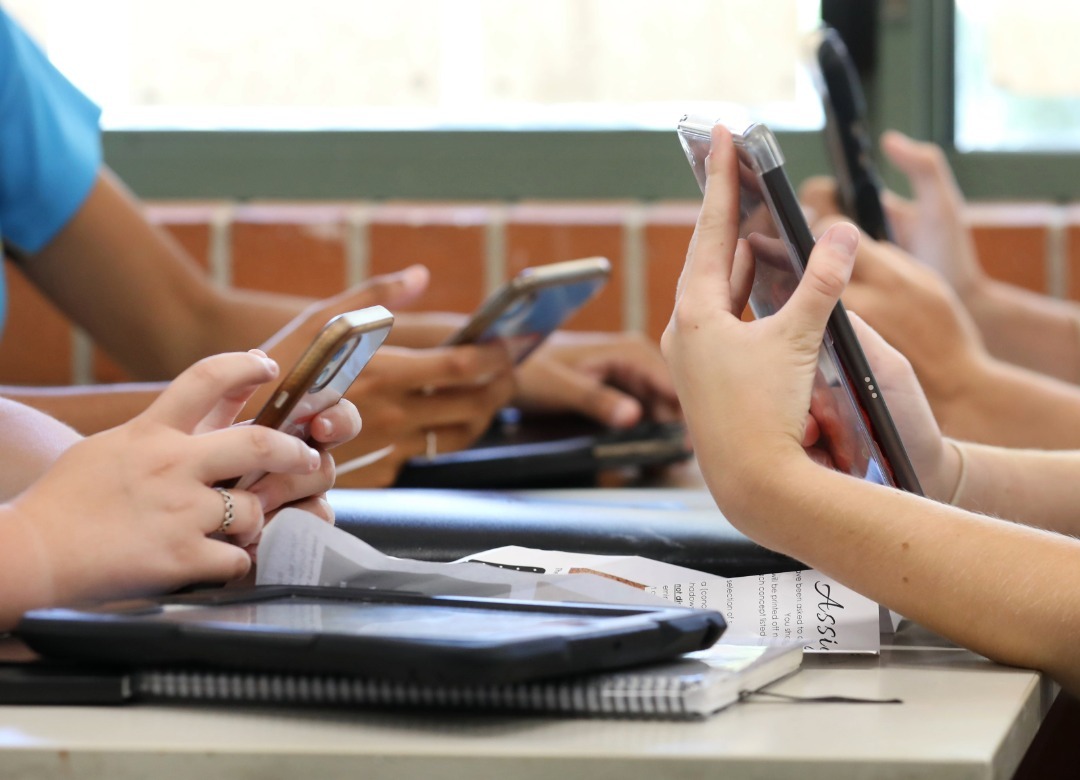
App-based systems only reach enrolled users with charged devices and active notifications. Visitors, substitutes, contractors, and students without phones are outside the coverage net entirely.
Wearable panic buttons, paired with in-building repeater infrastructure, provide building-wide coverage regardless of who has a personal device. Room-level location tracking helps first responders navigate directly to the source of an alert rather than searching a building. Visual and audio alerts reach everyone in the facility too, not just those enrolled in an app.
How Should Schools Evaluate Wearable Panic Button Systems?
The right question to ask any vendor is not how the system performs during a polished demonstration. Ask what happens when the power goes out, when the network is congested, and when a staff member is too frightened to navigate a phone screen.
Evaluate systems based on resilience under degraded conditions, not performance under ideal ones. Look for network independence, battery backup at every layer, simple activation, and real-time visibility into device status so you can document preparedness before an incident occurs.
Punch Rescue offers wearable panic buttons designed for one-button activation and network-independent emergency reporting. Contact our team to learn more or explore a pilot program in your buildings.
TL;DR: Why Wearable Panic Buttons Outperform Apps
Why Do Apps Fall Short?
App-based systems require charged devices, functioning networks, and multi-step navigation under stress. Any failure in that chain creates a gap precisely when reliable communication matters most.
What Makes Wearable Devices Different?
Wearable panic buttons use one-button activation, operate on dedicated communication networks, include battery backup, and provide building-wide coverage independent of personal device ownership.
What Should Schools Ask Vendors?
Test systems under realistic conditions, not vendor demonstrations. Ask what happens when power fails and networks congest. Evaluate resilience under degraded conditions, not ideal ones.