
Punch Rescue is now available through the TIPS cooperative purchasing contract, simplifying how K-12 schools procure emergency communication infrastructure.
Procurement is one of the less obvious points of friction common within school safety planning. A district will identify a need, evaluate their solutions, and then enter a waiting game. Vendor approval processes, budget justification cycles, and purchasing timelines can stretch a pretty straightforward decision into a process that lasts for months.
That’s a real problem when what’s being procured is emergency communication infrastructure. Delayed purchasing timelines don’t just slow down a project. They extend the window during which staff are operating without the tools they need to respond in a crisis.
We’re happy to announce that Punch Rescue is now available through the TIPS cooperative purchasing contract (#260105), under the category of Technology Solutions, Products, and Services. For school districts and public agencies, this creates a more direct path to deploying the emergency communication infrastructure their staff and campuses need urgently.
What Is TIPS and Why Does It Matter for K-12 Procurement?
TIPS (The Interlocal Purchasing System) is a nationally recognized cooperative purchasing program. It allows public agencies, including school districts, to purchase from pre-vetted vendors without going through a full, independent bidding process.
For K-12 administrators, that distinction makes a difference. Cooperative purchasing contracts like TIPS are designed to reduce the administrative load on districts. They do much of the vetting work in advance. When a vendor holds a TIPS contract, eligible organizations can move forward with procurement more efficiently. They never have to start from scratch on vendor approval.
How Does This Change the Purchasing Process for Schools?
For districts that have been evaluating Punch Rescue but navigating procurement timelines, the TIPS contract provides a recognized purchasing vehicle to reference directly. It can help simplify vendor approval conversations and support budget justification. It basically reduces the back-and-forth that often extends purchasing cycles in public sector environments.
This is particularly relevant for K-12 districts, where procurement requirements can slow the adoption of safety infrastructure even when administrators have already decided it’s the right fit.
What Does Punch Rescue Provide Through This Contract?
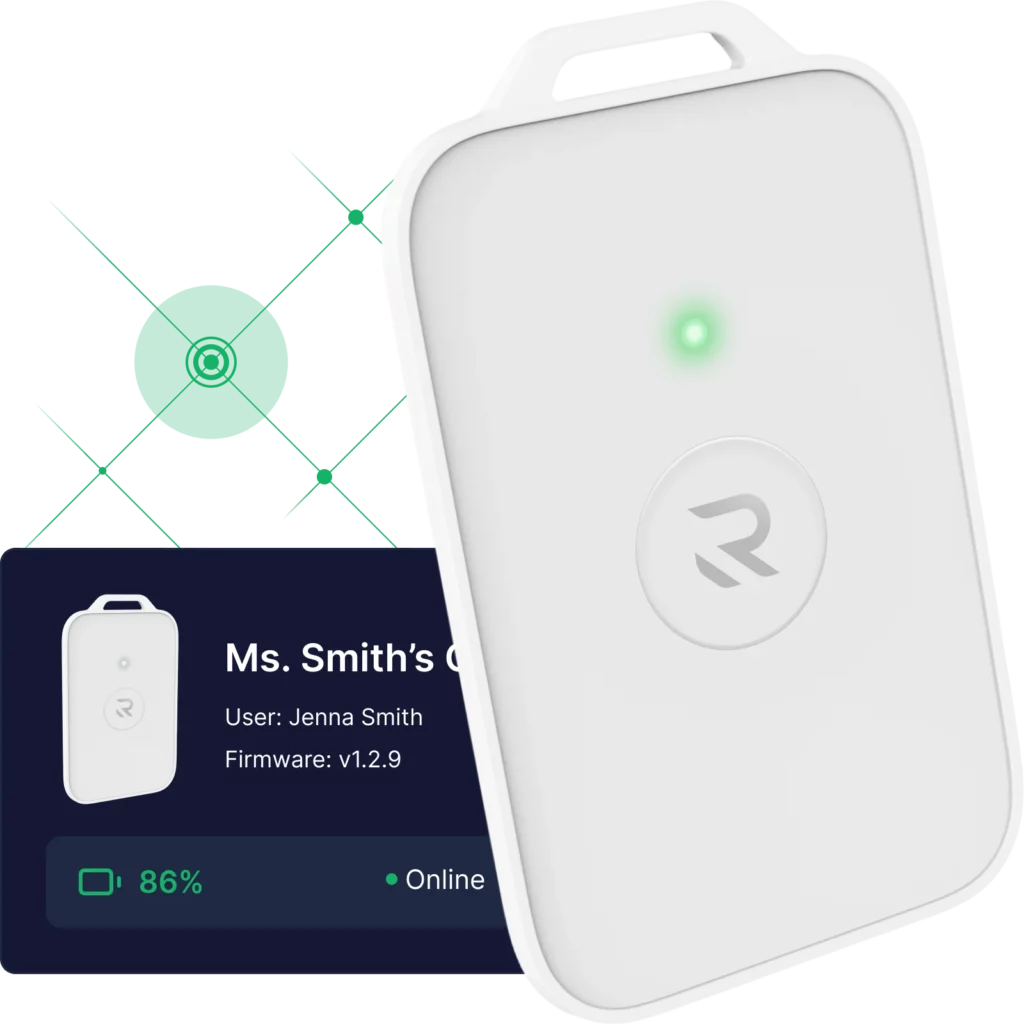
Through the TIPS contract, eligible organizations can access the full Punch Rescue emergency communication infrastructure. That includes Rescue Cards (the wearable panic button staff carry throughout the day), along with Rescue Repeaters, the Rescue Base Station, indoor mapping, and the Rescue software that ties the system together.
The infrastructure operates on a dedicated LoRa network, independent of Wi-Fi and cellular service. That means it functions whenever schools need it most. This covers:
- areas with poor signal coverage
- moments during power disruptions
- in high-stress situations where other networks get congested
Ready to Move Forward on Procurement?
If your district has been working through the process of evaluating or approving emergency communication infrastructure, the TIPS contract gives you a concrete next step. The Punch Rescue team is available to walk you through the contract details, answer procurement questions, or set up a pilot conversation for your district.
TL;DR: How Does the TIPS Cooperative Purchasing Contract Make It Easier for Schools to Access Punch Rescue?
Punch Rescue is now available through the TIPS cooperative purchasing contract (#260105). This gives K-12 districts a recognized pathway to procure emergency communication infrastructure. It also removes the burden of a full independent bidding process.
The TIPS contract can help simplify vendor approval, support budget justification, and reduce the administrative friction that often delays safety infrastructure purchasing in public sector environments.
Eligible districts can access the full Punch Rescue system through this contract.