Free Pilot: Punch Rescue + Lightspeed Notify | May 5, 1PM EST | Register for Webinar
July 17, 2026

Punch Rescue is Growing: New Office, Bigger Team

In This Article:

We’re opening a Charlotte office!

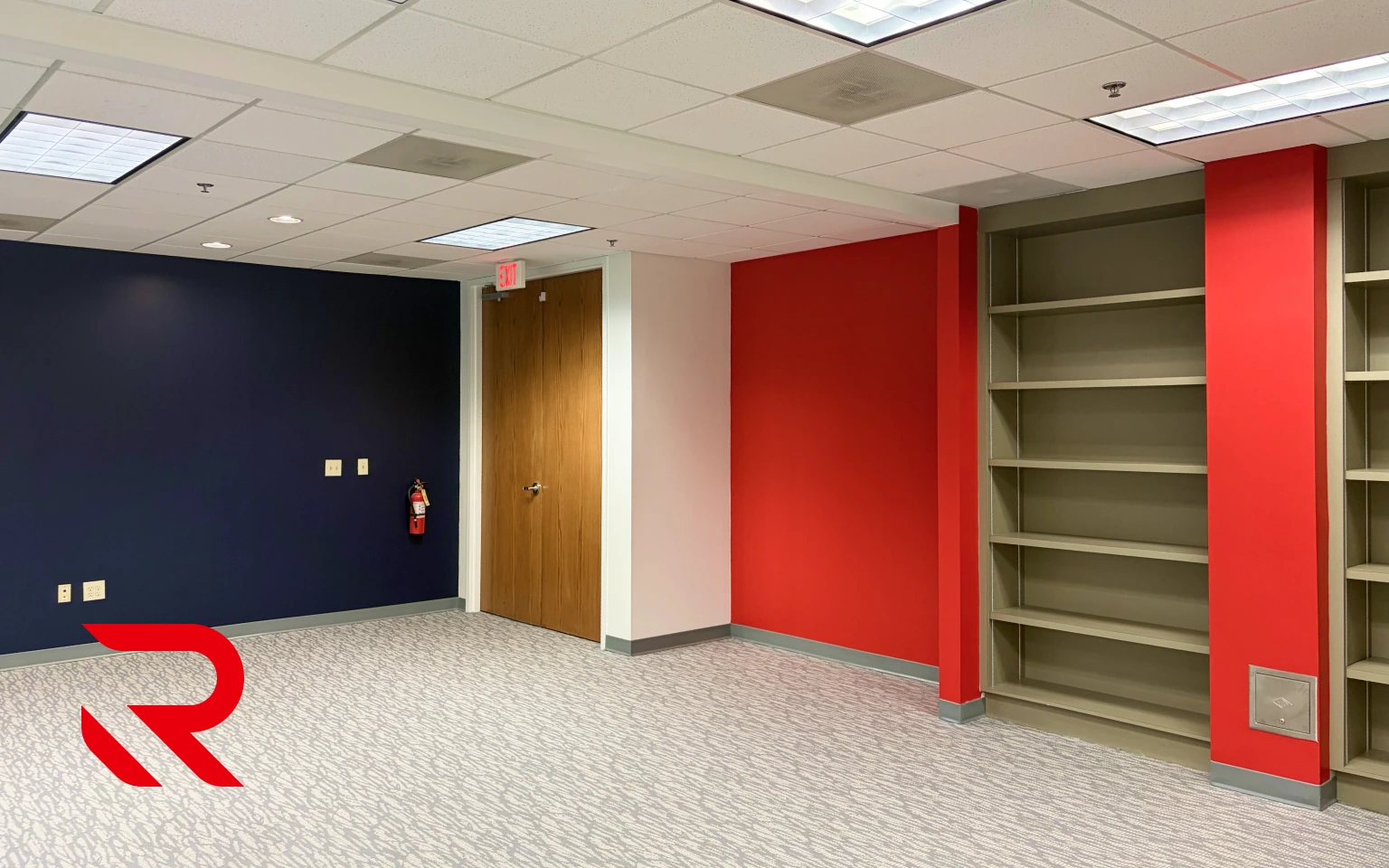
For now it’s a hub for sales, customer success, and partnership support. In the near future, this location will serve as a demo space where prospects and channel partners can come in and see our full emergency communication system in action, including live integrations with access control, video cameras, and communication platforms like Zoom Phone.

Who’s working out of Charlotte

Greg Artzt, our Founder and CEO will be on premise and Morgan Gala, joining as Head of Customer Success, will also be based there.

Over time, we’ll grow both the customer success team and our engineering presence in Charlotte.

One of the roles we’re most excited about is Agent Deployment Engineers. These are technical team members who work directly with customers to build out integrations and custom workflows within Rescue Intelligence.

Rahul joined us as an intern this summer to test the concept, and now he’s becoming a full-time team member. Blake just joined as our second ADE intern, and we’re already in conversations with a third. It’s a small but growing team, and Charlotte will be their home base.

Still a distributed team

Charlotte is our central hub, but Punch Rescue has always been a distributed company. Andrew, our co-founder, as well as our core engineering teams are remote, with team members across the US and internationally. That’s not changing.

What the demo space will look like

The Charlotte office will be set up to show the full Punch Rescue solution, not just the hardware. That includes live integrations we’re actively building out, like Ricata for access control and video cameras, as well as communication platforms. When a prospect or partner walks in, they’ll be able to see how everything works together in a real environment.

Panic buttons with reliable emergency infrastructure.
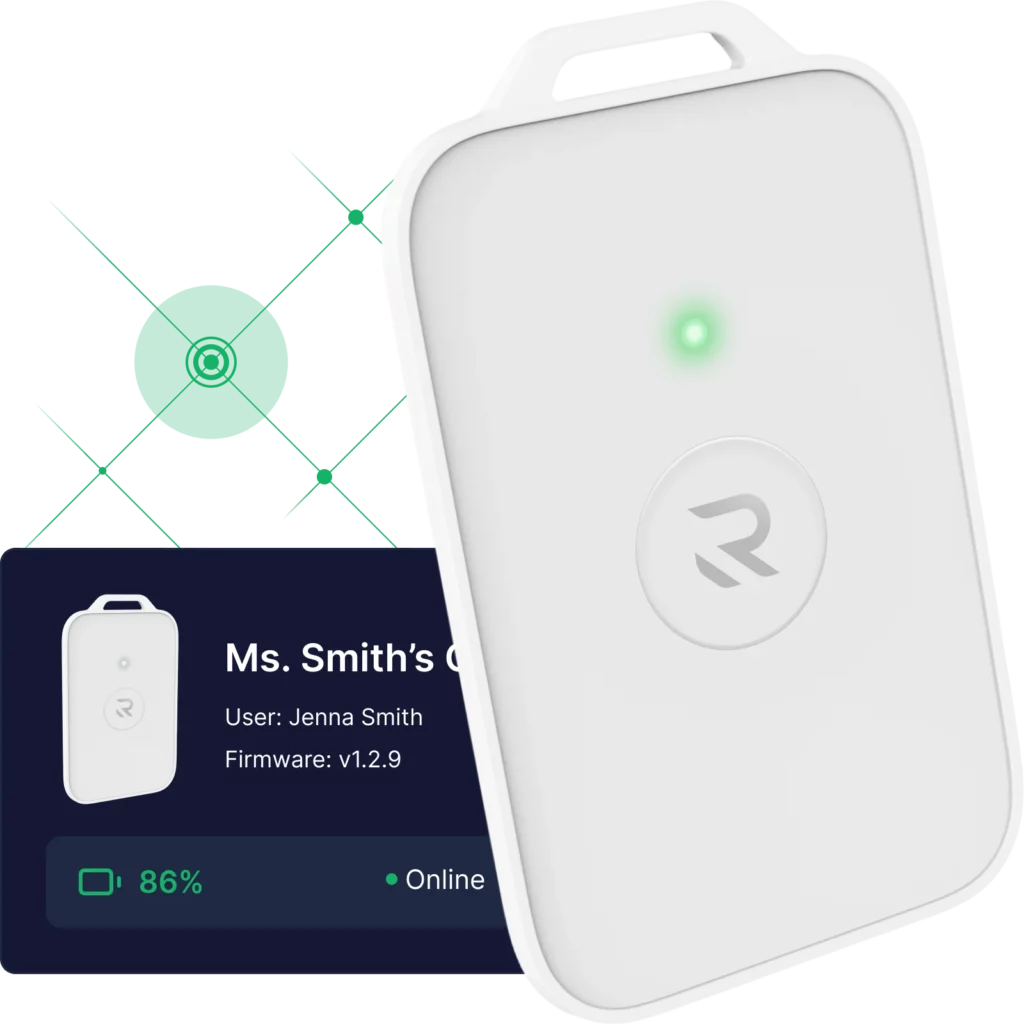
A Punch Rescue Rescue Card wearable panic button overlaid a green grid graphic and a screenshot of the Rescue Dashboard.
Related Articles
wireless signal connecting K-12 students
Safety Technology

How LoRa Technology Enables Reliable School Emergency Communication

LoRa technology gives schools reliable emergency communication that works without Wi-Fi or cell service. Here’s how it works and why it matters for K-12 safety....

Safety Technology

How Punch Rescue Connects to 911

When someone presses their Rescue Card, here’s how Punch Rescue gets the right information to 911, fast. Our primary integration: RapidSOS Our core 911 integration...

A judges mallet and words about policy regulation
Emergency Planning

Panic Button Compliance: Meeting Your State’s Alyssa’s Law Requirements

Alyssa’s Law requires panic buttons in schools across multiple states. Here’s what K-12 administrators need to know about compliance requirements and next steps. If your...

How We Started

In 2017, a young lifeguard at a YMCA of Charlotte branch suffered a seizure while opening the pool alone. She fell into the water and drowned before anyone knew she needed help.

We heard the full story later that year at a conference in Seattle. Our emergency communication platform, PunchAlert, was already deployed at that YMCA, but it couldn’t help. She couldn’t unlock a phone, open an app, or call for assistance.

That tragedy exposed the fundamental constraint: when people need help most, they often can’t use the tools we’ve given them. We spent two days in Seattle with aquatics directors and risk managers, determined to solve what software alone couldn’t. The answer wasn’t another app, it was infrastructure designed for the worst-case scenarios.

Punch Rescue was born from that commitment: wearable devices that work when nothing else can, connected to infrastructure that doesn’t rely on the person in crisis to operate it. From aquatics to K-12 schools and beyond, we’ve remained focused on one principle: protecting the people who matter most, especially when they can’t protect themselves.