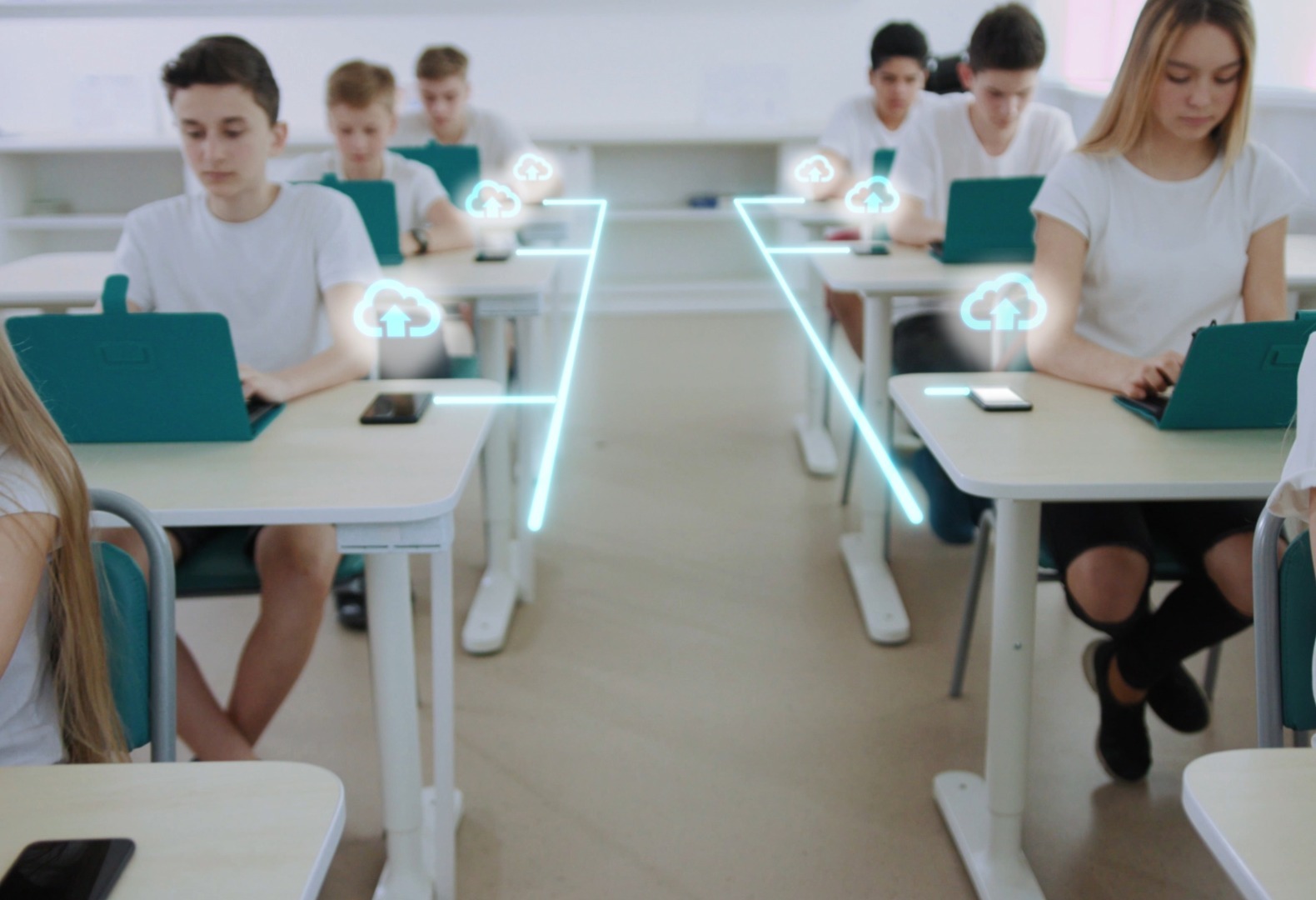
LoRa technology gives schools reliable emergency communication that works without Wi-Fi or cell service. Here’s how it works and why it matters for K-12 safety.
Most school communication systems were built for day-to-day operations. Email, intercom, and mobile apps all work fine when everything is running smoothly.
Emergency situations, though, don’t always cooperate with normal infrastructure. Cell networks get congested. Wi-Fi goes down. The intercom covers common areas but not the portable classrooms out back.
LoRa technology is built for exactly those moments. Find out what it is, how it works, and why more K-12 administrators are paying attention to it.
What Is LoRa Technology and How Does It Work?
LoRa stands for Long Range. It’s a wireless communication protocol designed to transmit small amounts of data over long distances using very little power. It was originally developed for industrial and agricultural IoT applications, where sensors need to communicate reliably across large areas without a stable internet connection.
The core advantage of LoRa is its independence. A LoRa network doesn’t rely on cellular towers or Wi-Fi routers. It uses its own radio frequency to send signals between devices and base stations. That means it can operate in environments where traditional communication methods fail.
For a technical overview of how LoRa works, the LoRa Alliance maintains accessible documentation.
Why Does LoRa Matter for School Emergency Communication?
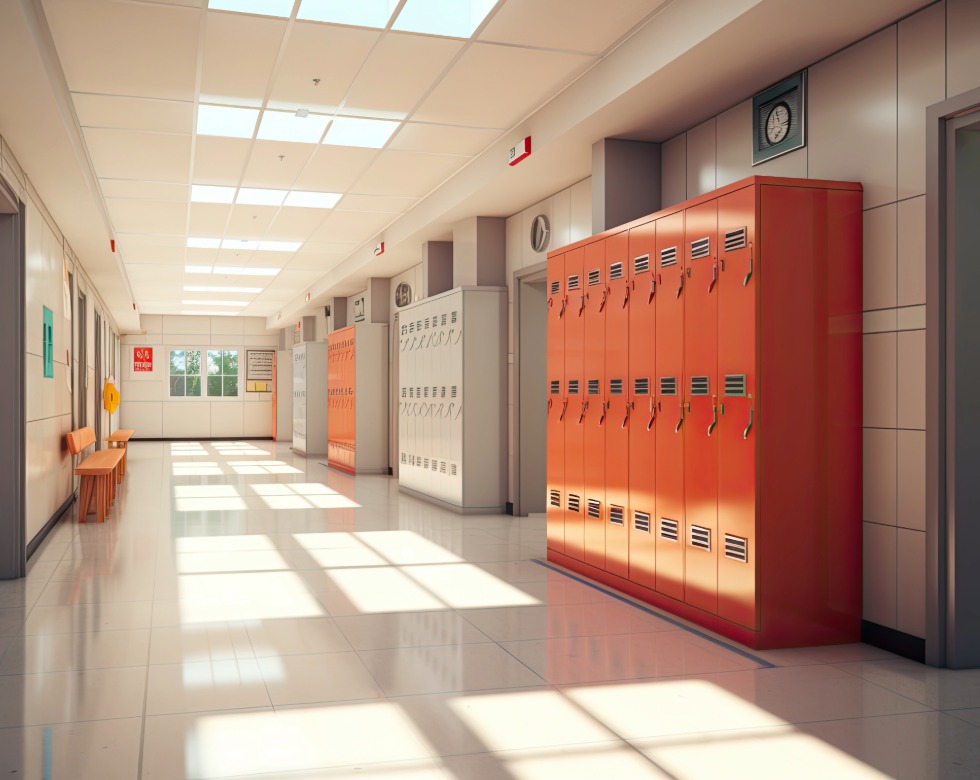
A school campus is a challenging communication environment. You have thick concrete walls, multiple buildings, underground corridors, and large outdoor areas. You also have hundreds or thousands of people who may all try to use their phones at the same time during a stressful event.
LoRa addresses those challenges in a few specific ways:
- Range: LoRa signals can penetrate walls and travel across large distances, making them reliable across an entire campus including outlying buildings.
- Independence: Because LoRa doesn’t depend on cellular or Wi-Fi, it doesn’t get congested when other networks do.
- Battery efficiency: LoRa devices use very little power, which means longer battery life for staff-carried devices.
How Does Punch Rescue Use LoRa in Its Emergency Communication Infrastructure?
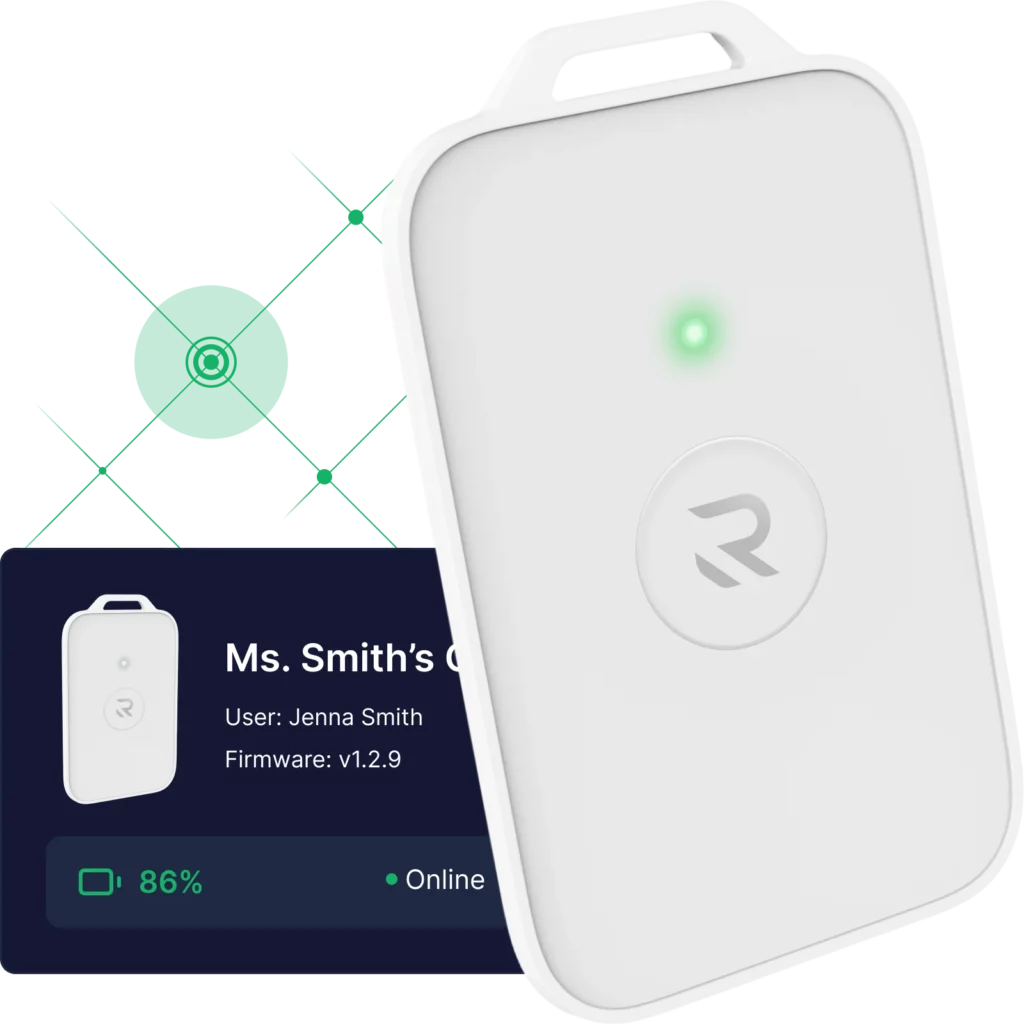
Punch Rescue builds its emergency communication infrastructure on a combination of LoRa and Bluetooth Low Energy (BLE) technology. BLE handles real-time location tracking and day-to-day device monitoring. This covers things like battery life and connectivity status, so administrators always have a current picture of system health without any manual check-ins.
LoRa is reserved specifically for emergencies.
That distinction matters more than it might seem. Many systems that use LoRa run all of their traffic through the same channel. Their emergency signals are left competing with routine data when it counts most. Punch Rescue keeps those channels separate. When a staff member activates a Rescue Card, the alert moves through a dedicated LoRa channel with nothing else on it.
From there, alerts are routed and logged through the Rescue software. Because the network operates independently of Wi-Fi and cellular service, it continues functioning even when those systems stop operating. Rescue Repeaters extend the LoRa signal across larger campuses, reaching buildings that would otherwise be hard to cover. Rescue Repeaters carry a 2 to 3 day battery backup. The Rescue Base Station provides approximately 6 hours of battery support. The system can therefore stay operational through a power outage, without relying on external infrastructure.
What Makes LoRa Better Than Wi-Fi or Cellular for Emergency Alerts?
LoRa is reliable under pressure. Wi-Fi and cellular both depend on network infrastructure that can fail or get overwhelmed. LoRa is a dedicated network used only for emergency communication, which means it’s not competing with the rest of your building’s traffic.
This is especially relevant for schools in areas with inconsistent cellular coverage, older buildings with thick walls, or campuses with multiple structures spread across a large footprint.
Is LoRa Technology Proven Outside of Schools?
LoRa is widely used in utilities, agriculture, smart cities, and industrial monitoring. These are all environments where reliable communication over large distances is non-negotiable. Its application in emergency communication infrastructure is a natural extension of those same principles.
Curious How LoRa-Based Infrastructure Would Work on Your Campus?
If you’d like to see how a LoRa-based emergency communication system would map to your school’s layout, the Punch Rescue team can walk you through a commitment-free demonstration. Reach out to discuss your campus and what a deployment might look like.
TL;DR: Why Is LoRa Technology Becoming the Standard for School Emergency Communication Infrastructure?
LoRa is a long-range, low-power wireless protocol that works independently of Wi-Fi and cellular networks.
- Punch Rescue builds its emergency communication infrastructure on LoRa technology, giving schools reliable alerting that functions even when other communication methods fail.
- It’s especially well-suited for large campuses, older buildings with thick walls, and areas with inconsistent cell coverage where traditional systems struggle.