Effective emergency drills reveal real gaps in protocols and infrastructure. Here’s how K-12 administrators can design drills that build genuine readiness.
Most schools run drills every year. Fewer schools run drills that effectively change how their staff respond under pressure.
There’s a difference between performing a drill that gets logged and doing one that builds readiness. The distinction usually comes down to the drill’s design. You need to know what you’re testing, how you’re measuring it, and what you will do with what you learn. If you want to be effective in orchestrating drills as an administrator, you will structure them in such a way as to maintain clarity on all these issues.
Are Your School’s Drills Testing the Right Variables?
A lockdown drill that runs fine under ideal conditions tells you relatively little. The conditions that matter are the ones that don’t go smoothly. This might be a drill where the intercom isn’t working, where a staff member is in the gym or a portable classroom, or where the alert comes during transition between periods. The point is to always be prepared for such complications.
What Makes a School’s Emergency Drill Most Effective?
Designing drills around real failure points means identifying where your communication chain is most likely to break before you build the scenario. That might be a specific building, a time of day, or a situation where staff are away from fixed communication points. Build the drill around those variables rather than around the conditions most likely to produce a smooth drill.
If this were a real event, where would the first potential problem appear? That’s where designing the drill should begin.
What Does It Take to Build Muscle Memory?
Muscle memory in emergency response develops through the same mechanism it does in any physical skill. It’s built through repeated, consistent execution of specific actions until the sequence becomes automatic. For that to happen, a few things need to be true.
First, the action has to be simple enough to execute under stress. An alert protocol that requires a staff member to unlock a phone, open an app, navigate to the correct screen, and confirm their location is not a protocol that will hold up in a high-stress moment. The more steps there are between a staff member and a completed alert, the more there are places the chain can break.
How Do Schools Best Practice Emergency Response Drills?
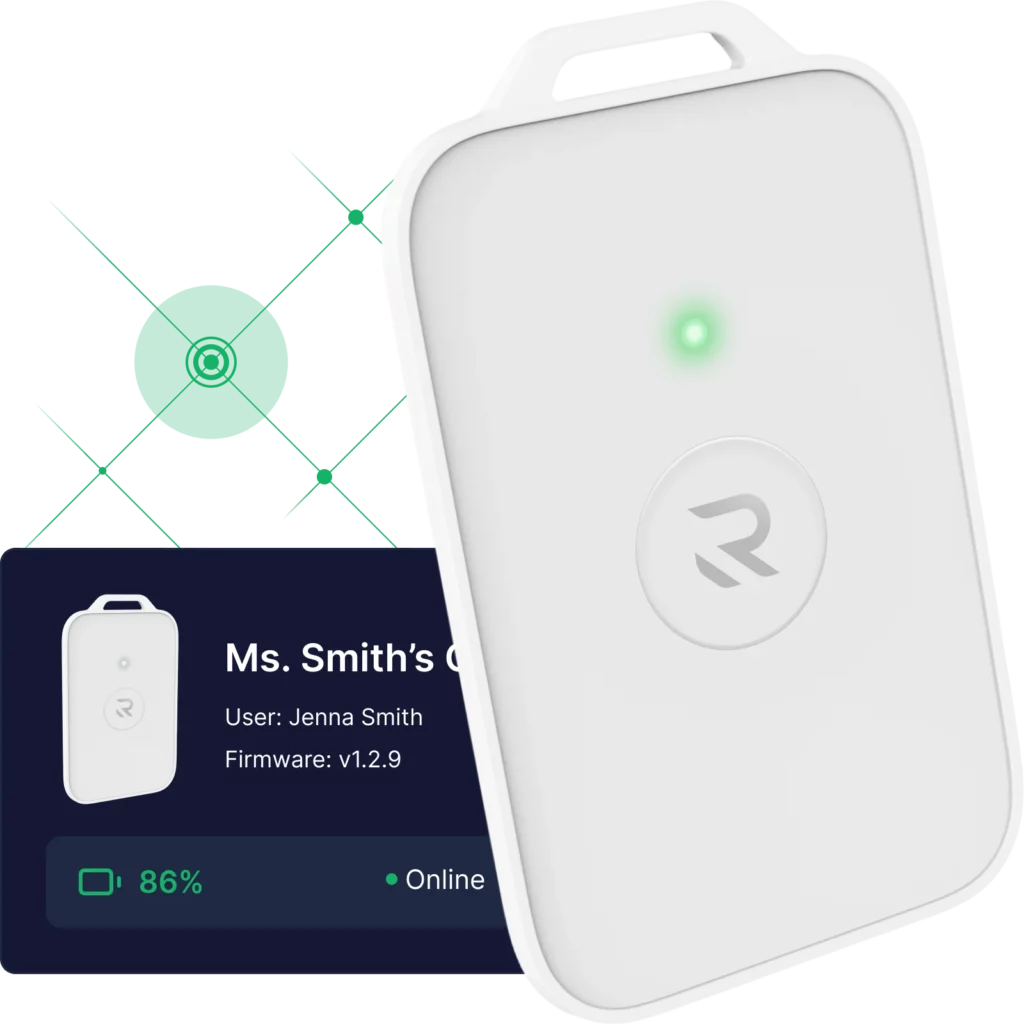
Repetition, specificity, and low-friction activation are what distinguish drills that build consistent response patterns from drills that produce compliance records. If staff carry a wearable panic button as part of their daily routine, drills should include activating that device. A verbal walkthrough of what they would do is insufficient. The physical action is what actually builds the response pattern.
Drills should also occur often enough, and with enough variation, that the response doesn’t get tied to a specific context. A staff member who has only ever done a lockdown drill during a designated drill period may still hesitate when a real situation develops outside that mental frame.
How Should K-12 Staff Debrief After a Drill?
The debrief is where drills most improve your preparedness. Without a structured review, a drill produces little more than checking a box.
Effective post-drill documentation captures more than whether the drill happened. It records response times by zone or building. It identifies any staff who didn’t receive the alert. It also notes where communication delays occurred, and flags any scenarios where backup systems were needed but unavailable. Turning those observations into actionable documentation is what allows you to track whether your response is improving, staying flat, or revealing a persistent gap that hasn’t been addressed.
Share your findings with your staff in a format that’s constructive, not evaluative. The goal is to reinforce what worked and correct what didn’t before the next drill. Staff who understand why an issue matters are more likely to remember how to improve their responses in the future.
How Does Infrastructure Affect Emergency Drills?
Drills reveal gaps in protocols, but they also reveal gaps in infrastructure. If staff in a basement corridor or portable classroom consistently have trouble receiving alerts during drills, the issue may not be procedural. It may be that your communication infrastructure doesn’t reach those areas reliably.
Punch Rescue provides emergency communication infrastructure built on LoRa technology, which operates independently of Wi-Fi and cellular networks. Because the system uses a dedicated radio frequency, it reaches areas that are typically difficult for standard communication tools. It doesn’t compete with other network traffic during a high-stress event. When your communication system is the variable being tested, that kind of reliability means drills can focus on staff response rather than whether the alert got through in the first place.
If you’re running drills and finding consistent gaps in specific areas, that’s a useful signal. It points to either a coverage issue, a protocol issue, or both.
What Well-Designed Drills Reveal
Emergency drills are one of the few preparation activities that produce real data about how your school responds under pressure. Every gap a drill surfaces is one you found before it mattered.
You don’t need to have a perfect run every time. Your goal is simply to get a clearer picture of where your protocols, your people, and your infrastructure currently stand, and to have a record that shows you’re doing something about it.
TL;DR: How Can Drills Best Prepare K-12 Schools for Emergencies?
Effective drills are designed around real failure points. They use the same technology staff will rely on, and include structured debriefs that drive measurable improvement over time.
- Muscle memory requires repetition with the real tools. Staff who carry a wearable emergency button should practice activating it during drills, rather than merely walking through what they would do in a certain scenario.
- Punch Rescue provides emergency communication infrastructure that operates independently of Wi-Fi and cell service. Drills can test staff response in hard-to-reach areas without the infrastructure itself being the variable that fails.