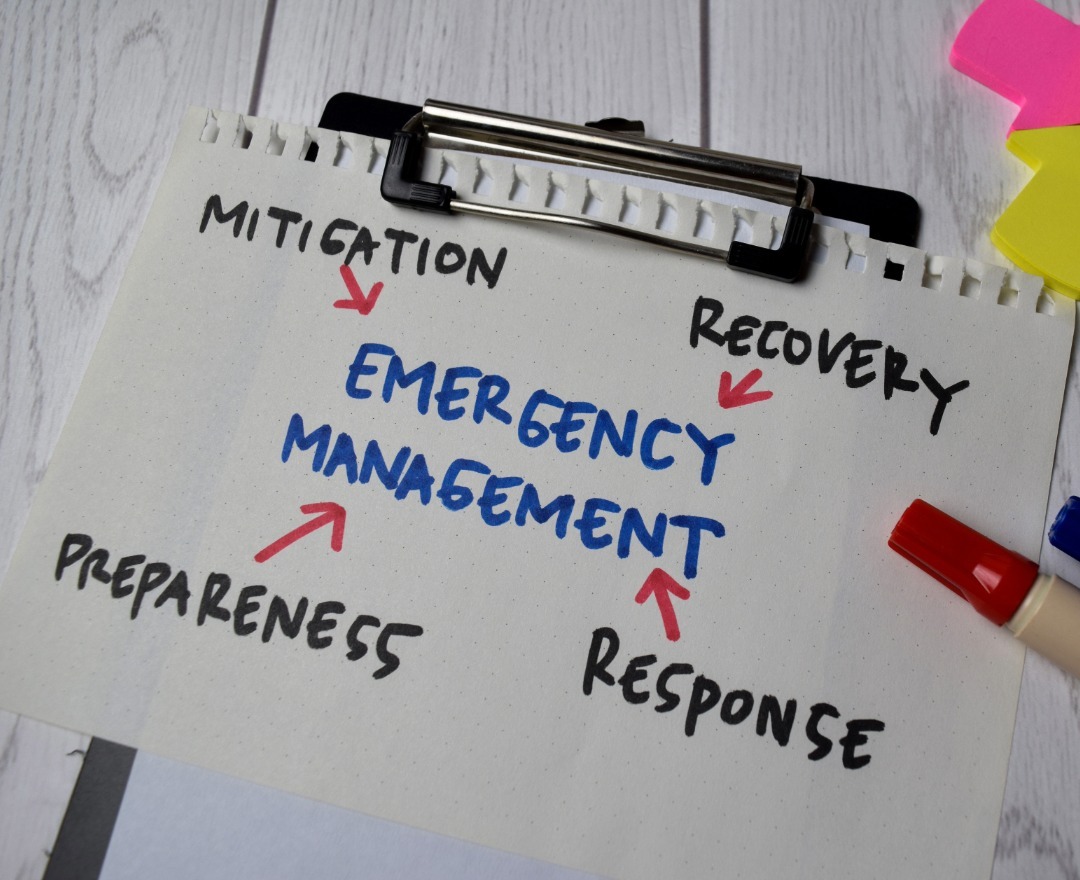
Learn how muscle memory and stress-resistant training create reliable emergency response. Science-backed strategies for school safety preparedness and drills.
When a fire alarm sounds during third period, most teachers don’t need to think about what to do. They’ve practiced evacuation routes dozens of times. Students line up, the class files out, everyone knows where to go.
That’s muscle memory in action. And it’s exactly what schools need for serious emergencies. Unfortunately, many districts lack this kind of automatic response. And this is a real liability when crises happen.
Why Does Emergency Training Fail When It Matters Most?
Human factors researchers have studied how stress degrades performance for decades, examining aviation, nuclear operations, military environments, and emergency medicine. The findings are remarkably consistent. They have direct implications for how school safety tools should be designed.
The Yerkes-Dodson law, first described in 1908 and extensively validated since, captures an inverted-U relationship between nervous-system arousal and performance. Moderate arousal sharpens people’s focus. Extreme arousal degrades it significantly. Fine motor control deteriorates in the process. Working memory capacity shrinks. And people’s ability to navigate unfamiliar sequences of steps collapses.
All of this is why a teacher who flawlessly demonstrates a panic button app during emergency training might freeze when trying to use it during an actual emergency. This is simply how human physiology operates under threat.
What’s the Difference Between Declarative and Procedural Memory?
Neuroscience research distinguishes between two types of memory: declarative and procedural.
Declarative memory involves the conscious recall of facts and instructions. This is when someone thinks, “The emergency app is on the second screen. I need to unlock my phone first, then open the folder, then tap the red icon.”
Procedural memory involves automatic, practiced actions. This is what happens when we tie our shoes, type without looking at the keyboard, or drive a familiar route without thinking about turn-by-turn directions.
Under extreme stress, the brain shifts from declarative to procedural memory. Stress hormones contribute to this shift. People stop trying to consciously remember what to do and instead fall back on their habits and muscle memory.
If your emergency response plan requires on-the-spot decision-making or remembering multi-step procedures, it will likely fail when staff need it most.
What Makes Actions Stress-Resistant?
Military and aviation training programs use a concept called “overlearning.” This is when they practice procedures until they become completely automatic. This creates procedural memories that remain accessible even when cognitive capacity is severely limited.
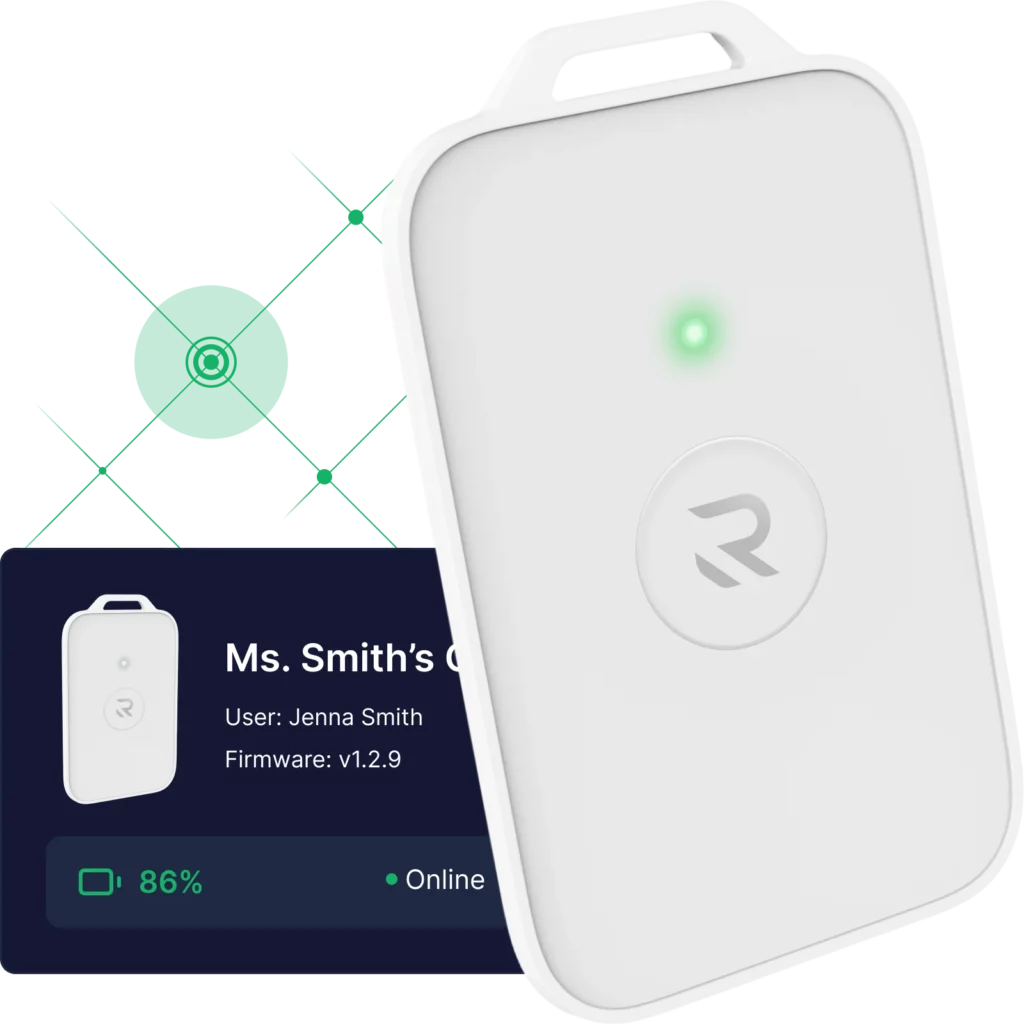
Physical simplicity makes the biggest difference here. Single-button wearable panic buttons require less cognitive processing than unlocking a phone, finding an app, and navigating an interface. The simpler and more physical the action, the more likely it succeeds under stress. Regular practice matters too, because systems used only during annual drills feel unfamiliar when real emergencies occur. Tools integrated into daily operations build familiarity that translates into greater reliability under pressure. Actions that provide immediate feedback through visual, tactile, or audible confirmation help users know their emergency activation worked, even when their perceptual abilities are compromised by stress.
How Do You Build Stress-Resistant Emergency Response?
Schools can create more reliable emergency responses by focusing on procedural memory, not just procedural documentation.
Practice Frequently with the Tools You’ll Use in Emergencies
It’s best to conduct frequent, low-stakes practice through monthly table-top exercises or quick activation drills. The goal is repetition that makes actions become automatic, building familiarity without creating anxiety. Use the same tools for drills and real emergencies. If staff practice with one system during drills but would use a different method during actual incidents, the practice doesn’t build relevant muscle memory.
Integrate Emergency Systems into Daily Operations
Make emergency tools familiar through daily use. Use systems that support routine operations like staff check-ins, facility walkthroughs, and minor incident reporting. These create procedural memories that remain accessible under extreme stress. Test under realistic conditions too, by practicing activation while walking quickly, with noise in the background, or with your hands full. These conditions more closely approximate real stress (unlike sitting calmly at a desk during a professional development training).
Reduce Decision Points to Single Actions
It’s also important to reduce decision points wherever possible. Every choice required during an emergency creates an opportunity for failure. Should I use this? Which option? What do I press next? The best emergency systems require one decision: press the button.
Why Should Emergency Preparedness Be Simple?
Effective emergency preparedness isn’t about having the most sophisticated technology. It’s about two basic things:
- having systems simple enough to for everyone to use when their cognitive capacity is depleted
- keeping everyone practiced enough for their actions to become automatic
Your staff will perform to the level of their training and repetition. Make sure your emergency tools support stress-resistant actions, not just well-documented procedures.
Punch Rescue provides wearable panic buttons designed for one-button activation that builds procedural memory through regular use. Contact our team to learn how infrastructure-first design supports the stress-resistant emergency response protocols your institution needs to build.
TL;DR: How Do You Build Stress-Resistant Emergency Response?
Why Does Training Fail Under Stress?
The Yerkes-Dodson law shows that extreme stress degrades performance. Under threat, the brain shifts from conscious recall to automatic procedural memory. Complex multi-step procedures fail precisely when they’re needed most.
What Makes Actions Stress-Resistant?
Physical simplicity matters most. One-button activation works better than multi-step apps under stress. Regular practice builds procedural memory that survives extreme conditions. Immediate feedback confirming the action worked helps even when perceptual abilities are compromised. Systems integrated into daily operations become familiar enough to use instinctively.
How Should Schools Train Differently?
Conduct frequent, low-stakes drills to build muscle memory without creating anxiety. Use identical tools for practice and real emergencies so training builds relevant habits. Integrate emergency systems into daily operations for continuous familiarity. Test under realistic conditions with movement, noise, and distraction. Reduce decision points to single actions whenever possible.