Real-time visibility in emergency systems helps staff monitor devices, track panic button alerts, and prove preparedness. See what’s needed in infrastructure.
Most conversations about school emergency systems focus on what happens when an alert is activated. But it’s equally important to question how anyone knows the system is ready and running before emergencies happen.
Real-time visibility is the answer to that question. It is the difference between assuming your emergency communication infrastructure is functional and being able to show it.
What Is Real-Time Visibility in a School Emergency System?
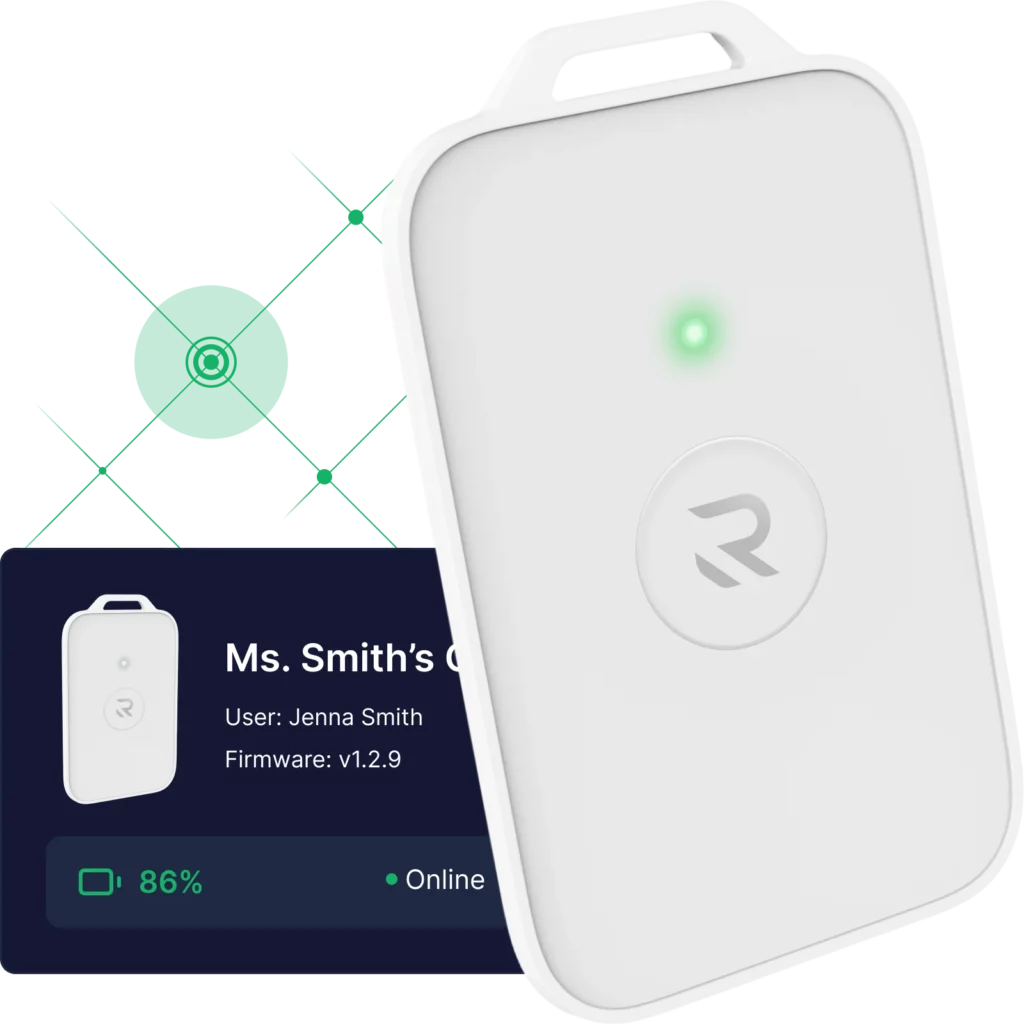
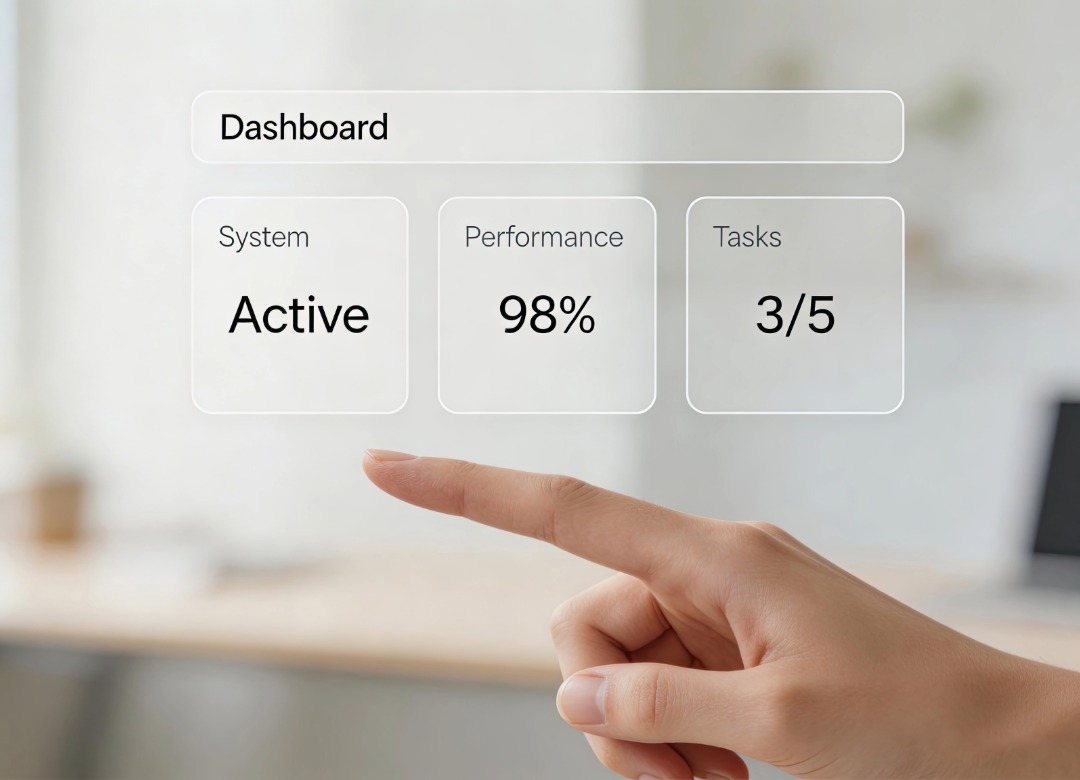
Real-time visibility means administrators can see the status of every device in their emergency communication system at any given moment. They can easily ask:
- Which wearable panic buttons are online?
- Which have low batteries?
- Which repeaters are functioning?
- When was each device last verified?
Without this visibility, emergency infrastructure operates on assumptions. You assume batteries are charged. You assume repeaters are online. You assume coverage reaches the basement and the portable classrooms. All that may be correct. But you will not find out for sure until an emergency exposes the reality.
Why Does Device Monitoring Matter Before an Emergency Occurs?
A wearable emergency button with a dead battery fails silently. There is no alarm, no notification, no indication to the staff member wearing it that their device will not transmit an alert. Without proactive monitoring, that dead battery stays hidden until the moment someone needs the device to work.
The same applies to other parts of any infrastructure. Communication technology that goes offline in a building’s basement leaves that area without emergency coverage. Administrators who do not have real-time visibility into device status will not discover the issue until it matters.
Proactive monitoring means receiving alerts when devices go offline or battery levels drop below a threshold. It matters to have this information before an unfortunate incident exposes system failures.
How Does Real-Time Visibility Support Emergency Response During an Incident?
When an alert is triggered, real-time visibility tells administrators and responders who activated it, where they are located, and what type of alert was sent. This situational awareness shapes the response immediately.
Location data from wearable panic button activations allows first responders to navigate directly to the source of an incident without extensively searching a building. Multiple simultaneous activations give responders a clearer picture of the scope and location of an emergency. This information can reduce response time and support more coordinated actions.
The documented response at Apalachee High School in 2024, where multiple staff-activated wearable panic buttons helped law enforcement locate and contain an incident in under seven minutes, illustrates what this coordination can look like when infrastructure is in place and functioning.
What Documentation Does Real-Time Visibility Provide for Defensibility?
When boards, regulators, or legal teams ask whether your emergency system was operational at the time of an incident, can you answer with documentation rather than assumptions?
Real-time visibility systems generate logs of device status, alert activations, testing records, and battery replacement history. This documentation is what defensible preparedness looks like. It shows that your emergency communication infrastructure was properly monitored, maintained, and verified.
Schools that conduct regular drills, test their systems in realistic conditions, and maintain records of that activity are in a much better position than those who rely on annual compliance checks. Their documentation is their evidence.
Punch Rescue provides emergency communication infrastructure with real-time device monitoring, alert visibility, and versatile reporting options designed to support ongoing preparedness. Reach out to learn more.
TL;DR: Real-Time Visibility in School Emergency Systems
What Is Real-Time Visibility?
The ability to see the live status of every device in your emergency communication infrastructure (including battery levels, connectivity, and alert activity), so you are not operating on assumptions.
Why Does It Matter Before an Incident?
Dead batteries and offline repeaters fail silently without monitoring. Proactive alerts when devices go offline allow administrators to address issues before an emergency exposes them.
How Does It Support Defensibility?
Device logs, testing records, and alert histories provide documentation that your emergency communication system was functional and maintained. That documentation is what boards, regulators, and legal teams will ask for.