
In today’s fast-paced and unpredictable world, organizations across sectors face a myriad of potential emergencies, from natural disasters to security threats. A well-crafted emergency response plan is crucial for safeguarding employees, clients, and assets. Integrating innovative solutions like Rescue, a wearable panic button system, into your emergency planning can significantly bolster your organization’s readiness and response capabilities. This guide outlines the steps to create a comprehensive organizational emergency response plan that includes Rescue.
Understanding the Importance of Comprehensive Emergency Planning
Effective emergency planning is the cornerstone of organizational safety. It prepares your organization to respond swiftly and effectively to various incidents, minimizing risk to personnel and operations. The goal is to ensure continuity, protect resources, and maintain a safe working environment.
Step 1: Risk Assessment and Collaboration
Initiate the planning process with a thorough risk assessment to identify potential emergencies specific to your organization’s location, industry, and operational dynamics. Collaborating with local emergency services, security experts, and health professionals can offer valuable insights into risk mitigation and response strategies.
Step 2: Developing Your Emergency Response Plan
A robust emergency response plan should be clear, detailed, and accessible to all employees. Key elements include:
- Emergency Response Teams: Designate and train individuals or teams responsible for leading and executing the emergency response. Ensure roles and responsibilities are well-defined.
- Communication Protocols: Establish clear communication channels to alert employees to an emergency and provide ongoing updates. Consider how you will communicate with external partners and emergency services.
- Evacuation and Shelter-in-Place Procedures: Outline procedures for safely evacuating the premises or sheltering in place. Include maps with exits and safe locations clearly marked.
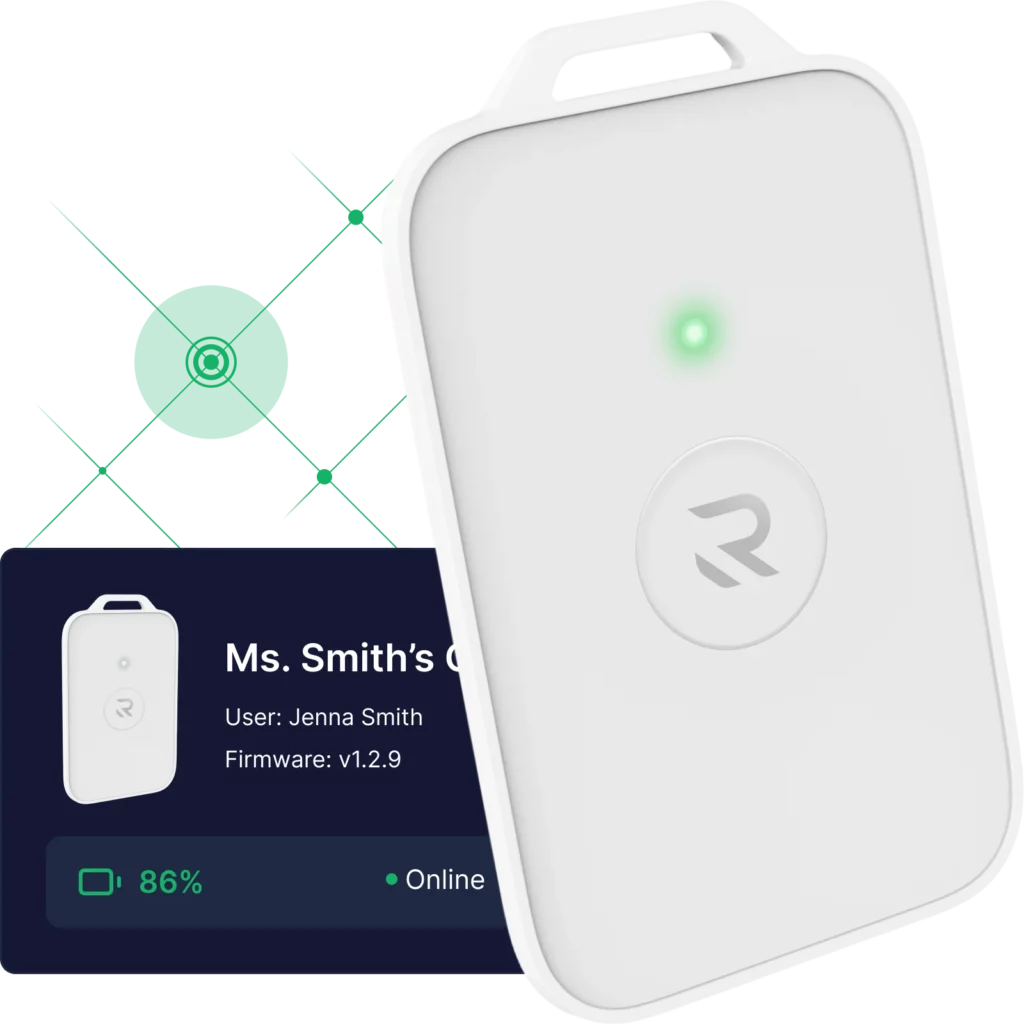
- Emergency Equipment and Technology: Detail the emergency equipment available, including first aid supplies, fire extinguishers, and the Rescue wearable panic button system.
- Critical Operations Preservation: Identify key operations that must be maintained during an emergency and outline procedures to preserve them.
Incorporating Wearable Panic Buttons into Your Emergency Plan
Rescue enhances organizational emergency response plans with its cutting-edge features:
- Instant Alert System: Rescue devices enable instant communication with emergency responders, ensuring rapid deployment of assistance.
- Location Accuracy: GPS functionality aids in locating the emergency source quickly, a crucial feature for large or complex facilities.
- Versatility Across Emergencies: The Rescue system is adaptable, serving a wide range of emergency scenarios, from medical crises to security breaches.
Step 3: Training and Drills
Training is essential to familiarize staff with the emergency response plan and the use of Rescue devices. Conduct regular drills simulating different emergency scenarios to ensure readiness. Post-drill debriefs can identify areas for improvement and reinforce best practices.
Step 4: Review and Refinement
Emergency plans should not be static. Regular reviews and updates are necessary to incorporate new risks, technologies, and feedback from drills and actual incidents. Engage employees in the review process to ensure the plan remains relevant and effective.
Conclusion
A comprehensive organizational emergency response plan, augmented by the Rescue wearable panic button system, can significantly enhance your preparedness for any emergency. By following these steps and embracing innovative safety solutions, organizations can not only protect their most valuable assets—people—but also ensure a swift, coordinated response in critical situations.
To learn more about integrating Rescue into your emergency response strategy and taking your organizational safety to the next level, Please contact our team. Let’s work together to create a safer, more resilient workplace.