Free Pilot: Punch Rescue + Lightspeed Notify | May 5, 1PM EST | Register for Webinar
November 11, 2025

Coming January 2026: The New Rescue Dashboard + Devices

In This Article:

Big news: Rescue’s next generation of school safety launches this January.

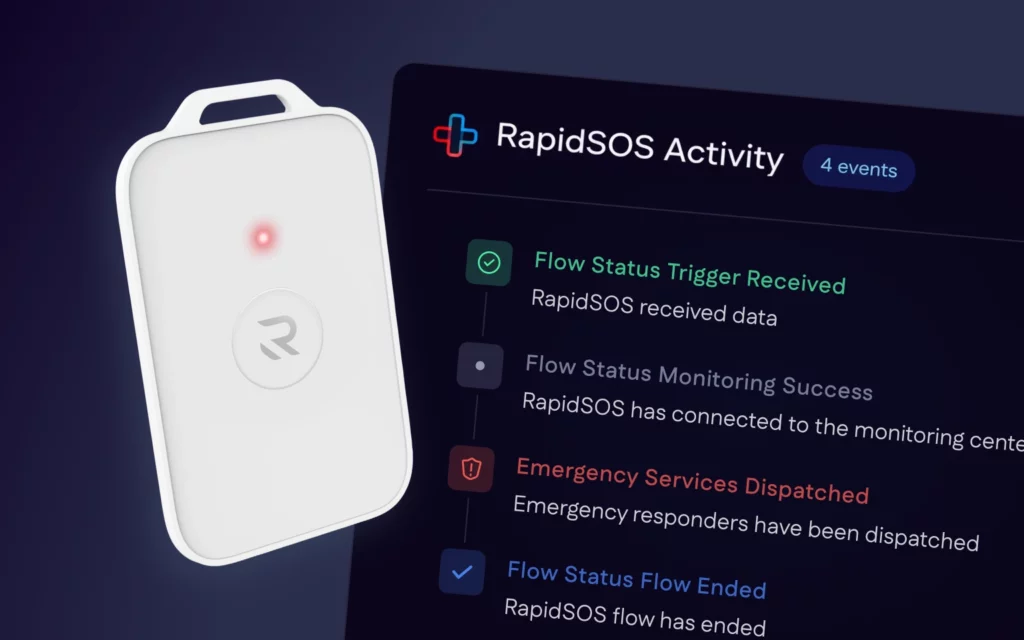
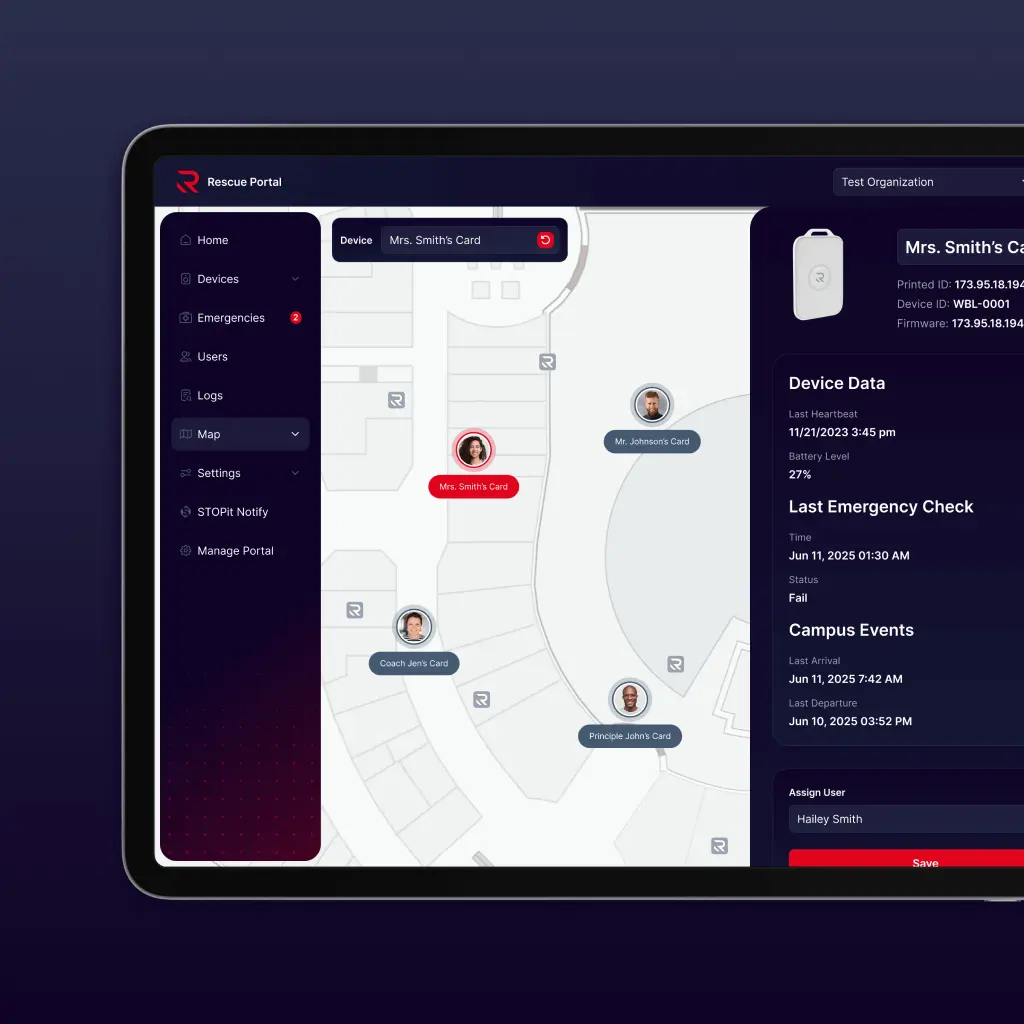
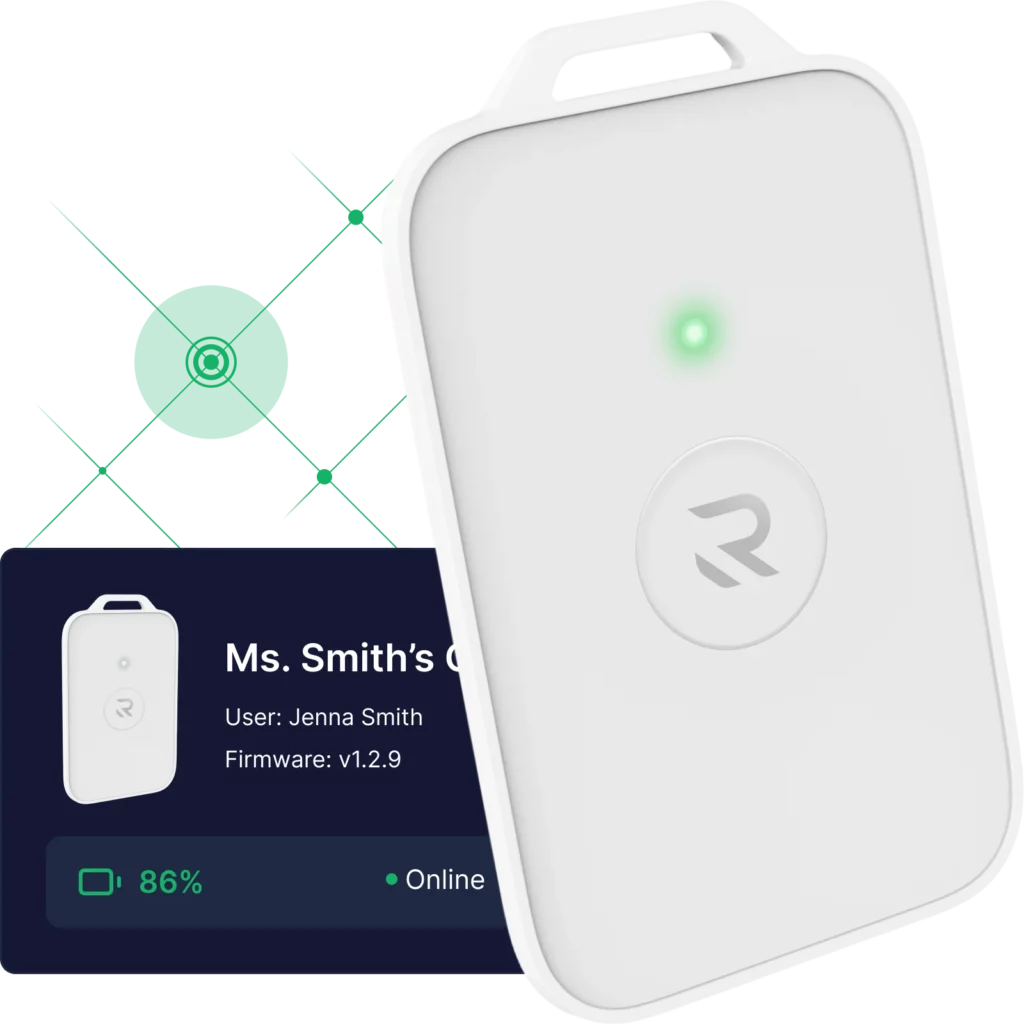
We’re rolling out a completely redesigned Dashboard, built to support our new Rescue Cards and Signal Repeaters, bringing your entire safety network to life in real time.

Here’s what’s new:

✅ Beautiful, intuitive design
✅ Real-time visibility with enhanced mapping
✅ Detailed indoor layouts for every alert
✅ Seamless OTA updates for all devices


We’ve spoken with districts currently using the leading badge panic button provider. Their feedback?

“Your system is cleaner and more coherent, it feels well thought out.”

“The mapping is far more detailed than what we have now.“

“The dashboard actually reflects what’s happening in real time.”

“It looks like you’ve built a better mousetrap.”

Built to outperform other providers in every way.

Stay tuned. The next generation of safety is here.
Panic buttons with reliable emergency infrastructure.
Related Articles
Symbols of wifi connectivity and ongoing cell network service
Safety Technology

Network Independence: What It Means for School Emergency Systems

Network independence means emergency systems work when Wi-Fi and cellular fail. Learn why it matters for school panic buttons and wearable emergency buttons. If you...

Safety Technology

Over-the-Air Updates

Most emergency devices stay the same forever. If something needs to be fixed or improved, the device has to be physically replaced or sent back....

K-12 students using smart phone apps on their cell phones
Safety Technology, School Safety

Why Wearable Panic Buttons Outperform Smartphone Apps in School Emergencies

Wearable panic buttons outperform smartphone apps in school emergencies. Learn why dedicated hardware beats app-based systems when conditions are degraded....
How We Started

In 2017, a young lifeguard at a YMCA of Charlotte branch suffered a seizure while opening the pool alone. She fell into the water and drowned before anyone knew she needed help.

We heard the full story later that year at a conference in Seattle. Our emergency communication platform, PunchAlert, was already deployed at that YMCA, but it couldn’t help. She couldn’t unlock a phone, open an app, or call for assistance.

That tragedy exposed the fundamental constraint: when people need help most, they often can’t use the tools we’ve given them. We spent two days in Seattle with aquatics directors and risk managers, determined to solve what software alone couldn’t. The answer wasn’t another app, it was infrastructure designed for the worst-case scenarios.

Punch Rescue was born from that commitment: wearable devices that work when nothing else can, connected to infrastructure that doesn’t rely on the person in crisis to operate it. From aquatics to K-12 schools and beyond, we’ve remained focused on one principle: protecting the people who matter most, especially when they can’t protect themselves.