Free Pilot: Punch Rescue + Lightspeed Notify | May 5, 1PM EST | Register for Webinar
September 14, 2026

Punch Rescue vs. Navigate360: Which Panic Button Keeps Working When Wi-Fi Doesn’t?

In This Article:

Punch Rescue provides wearable panic buttons and emergency communication infrastructure built on a dedicated LoRa mesh network with cellular backup. The infrastructure is engineered to keep working when a campus network doesn’t. Navigate360’s BadgeR+ and Notify360 wearable panic buttons run over the school’s Wi-Fi network, which is configured during setup.

Navigate360’s own configuration documentation states that BadgeR+ and Notify360 devices are “configured for a single network,” and that if a button is activated off-campus or out of Wi-Fi range, “it will not activate an alarm or call 911”. Wi-Fi dead zones (like mechanical rooms, stairwells, portable classrooms, or basements) are common in K-12 buildings. A panic button that depends on a live Wi-Fi connection can fail exactly where campus wireless coverage is weakest.

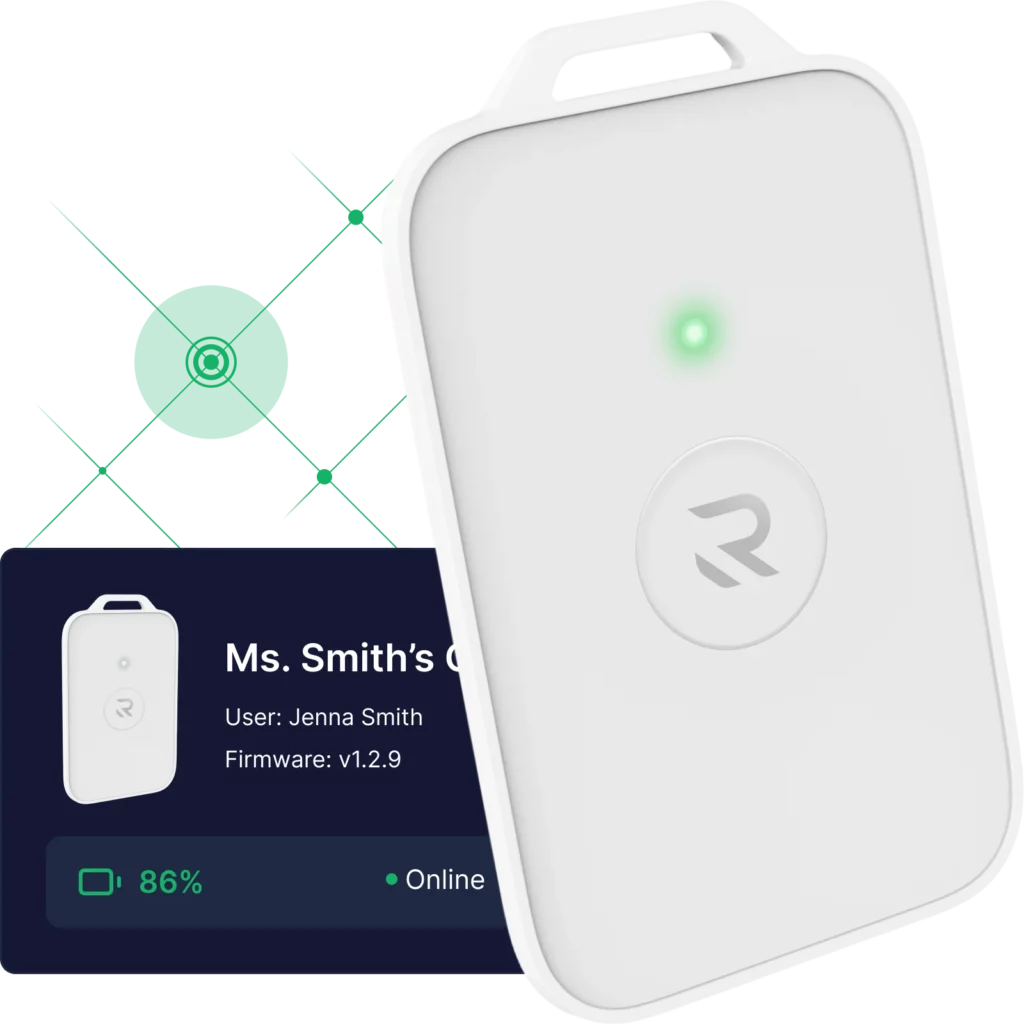
Punch Rescue’s Rescue Card communicates over a dedicated LoRa mesh network independent of the school’s Wi-Fi. The Alert Station adds cellular backup for 6-8 hours, so an alert can still reach responders if internet service goes down. The Rescue Dashboard shows live device health (online, offline, or low battery). This means staff can see gaps before an emergency ever occurs.

Contact sales to confirm coverage and configuration for your specific campus.

Panic buttons with reliable emergency infrastructure.
A Punch Rescue Rescue Card wearable panic button overlaid a green grid graphic and a screenshot of the Rescue Dashboard.
Related Articles
red panic button
Safety Technology

Is a Wearable or a Wall-Mounted Panic Button Better for Schools?

A wall-mounted panic button is fixed to a specific location such as a front office, a classroom door, or a nurse’s station. It only protects...

A smartphone app showing a signal failure
Safety Technology

Wearable Panic Button vs. Mobile App: Which Works Best in a Crisis?

A wearable panic button is a dedicated hardware device worn on a lanyard or badge. It’s built to send one alert with one press. A...

k-12 school hall
Safety Technology

How to Choose the Best Panic Button for Schools

A school panic button is a wearable or fixed device staff use to silently alert responders during an emergency. The systems on the market mainly...

How We Started

In 2017, a young lifeguard at a YMCA of Charlotte branch suffered a seizure while opening the pool alone. She fell into the water and drowned before anyone knew she needed help.

We heard the full story later that year at a conference in Seattle. Our emergency communication platform, PunchAlert, was already deployed at that YMCA, but it couldn’t help. She couldn’t unlock a phone, open an app, or call for assistance.

That tragedy exposed the fundamental constraint: when people need help most, they often can’t use the tools we’ve given them. We spent two days in Seattle with aquatics directors and risk managers, determined to solve what software alone couldn’t. The answer wasn’t another app, it was infrastructure designed for the worst-case scenarios.

Punch Rescue was born from that commitment: wearable devices that work when nothing else can, connected to infrastructure that doesn’t rely on the person in crisis to operate it. From aquatics to K-12 schools and beyond, we’ve remained focused on one principle: protecting the people who matter most, especially when they can’t protect themselves.