When someone presses their Rescue Card, here’s how Punch Rescue gets the right information to 911, fast.
Our primary integration: RapidSOS
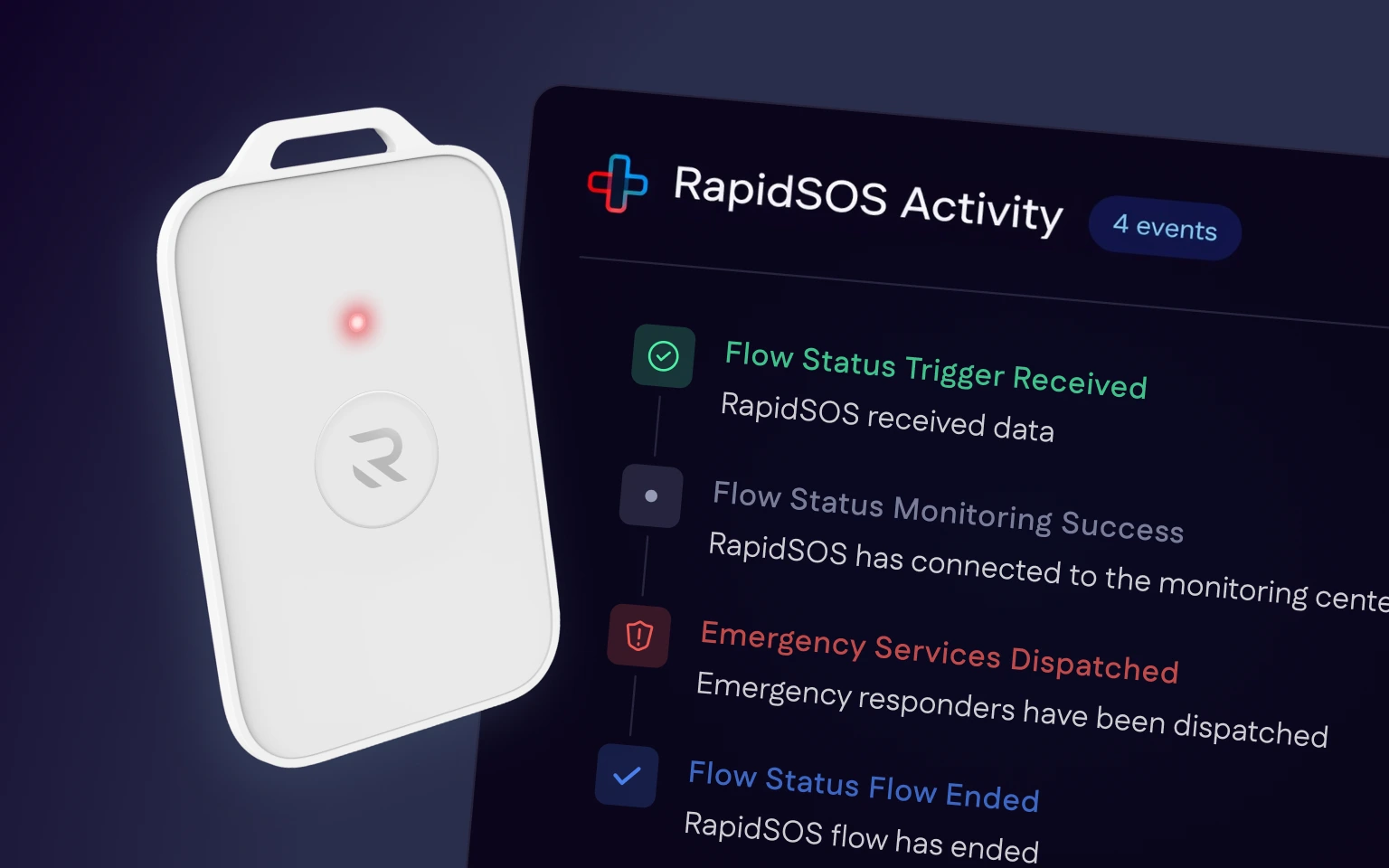
Our core 911 integration is built on RapidSOS, a network connected to every 911 center in the US, over 6,000 centers, directly into their dispatch systems.
When an alert is triggered, we send the emergency category, the location, who reported it, and the name of the organization, all in real time. As the situation develops and the location changes, we update that too.
There’s also a human in the loop. A monitoring center agent is aware of the emergency and calls the 911 center directly to confirm and communicate the details. This matters because 911 centers still default to phone calls, and a silent alert alone isn’t always enough to guarantee a response.
Real-time maps for first responders
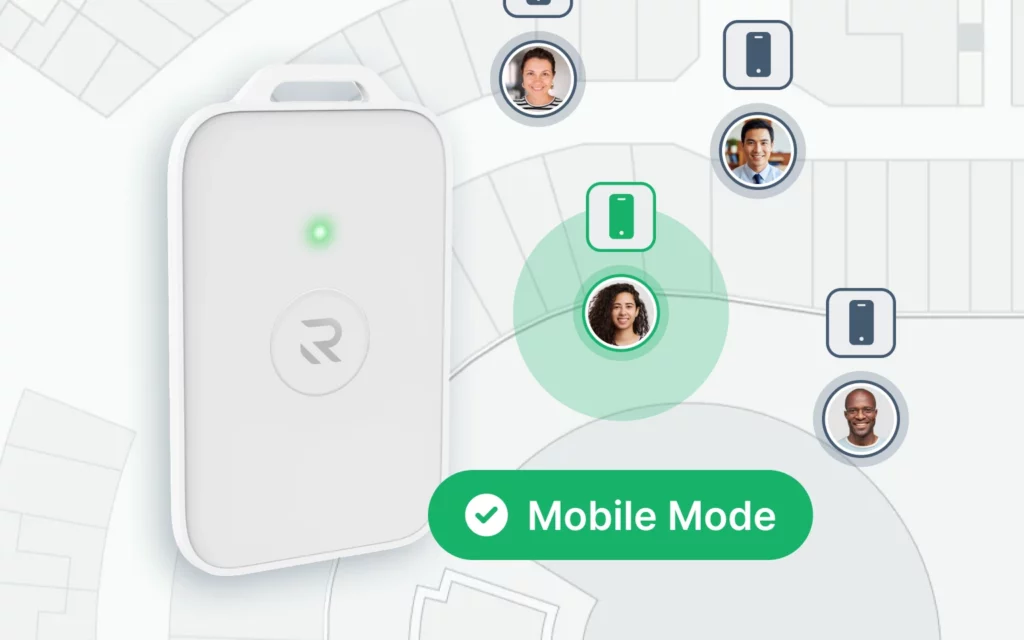
Along with the alert, we send a link to our real-time map. A first responder on the way, or a dispatcher at the center, can pull it up on any device and see all staff locations in real time, find the person who reported the emergency, filter by responders, staff, or visitors, and locate assets like AEDs and fire extinguishers. The map is read-only and expires at the end of the emergency.
For K-12 customers
Dispatch is immediate; there is no confirmation step and no delay. A long press or triple press tied to an active threat sends an active assailant or silent panic alert straight through to the 911 center, and the monitoring center agent calls simultaneously.
For non-K-12 customers
For healthcare, corporate, industrial, and other settings, there’s a validation step before dispatch. It works like this:
- A 30-second countdown goes to the web and mobile app. Confirm or cancel.
- If no response, an SMS goes to a designated number. Another 30 seconds to reply.
- If no response, an automated phone call goes to that same number.
- If still no response, a live monitoring center agent calls to confirm.
- If they can’t reach anyone after all of that, they dispatch.
It’s a thorough process that protects against accidental alerts while ensuring help gets through when it’s needed.
Additional 911 integrations
RapidSOS is our primary and most comprehensive integration, but we also support customers using STOPit Notify and SaferWatch, both of which connect to a broad network of 911 centers and emergency agencies.
Our approach to 911 is probably the most comprehensive in our space, and the real-time map access for first responders is something we haven’t seen anyone else provide.