
Build a defensible emergency communication plan for your school with this practical checklist. Cover the gaps auditors and administrators will likely look for.
Having an emergency plan is one thing. Having a plan that holds up to scrutiny from your district, your school board, or a state auditor is another thing entirely. You need something you can point to and say “here’s what we had in place, here’s what activated, and here’s the record of what happened.”
This checklist is designed to help K-12 administrators close that gap before anyone comes asking.
What Makes a School Emergency Communication Plan Defensible?
A defensible emergency communication plan is one that’s documented, tested, and verifiable. It’s not just a binder on a shelf. It means you can show:
- What your communication protocols are and where they’re recorded
- Who’s responsible for each role during an incident
- What systems or infrastructure you have in place and how they work
- When your last drill or test occurred and what it revealed
- How alerts are sent, received, and confirmed across your campus
If any of those feel uncertain right now, that’s useful information.
Does Your Emergency Plan Address Backup Communication?
Most school emergency plans address communication. Fewer address what happens when primary communication fails.
Cell service gets congested during high-stress events. Wi-Fi goes down. Staff members don’t always have their phones on them. A complete plan accounts for these realities by identifying backup communication pathways and making sure those pathways are documented just as clearly as the primary ones.
It’s important to ask:
- If your primary communication method fails, what’s the backup?
- Are backup systems tested separately from primary systems?
- Does your plan specifically address communication in areas with poor cell coverage, like gyms, basements, or portable classrooms?
How Should Schools Document Staff Roles in an Emergency Plan?
One of the most common failures in school emergency plans is role ambiguity. The plan says “designated coordinator will notify administration,” but who is that person? What if they’re absent?
Your documentation should name roles, not just titles, and include a clear chain of substitution. Every staff member with a communication responsibility during an incident should be able to find their role in writing without having to ask someone else.
What Should Schools Include in Drill and System Test Documentation?
Drills and tests are only as useful as the records you keep from them. Post-drill documentation should capture:
- Date and type of drill
- Which systems were activated
- Response times by zone or building
- Any communication gaps identified
- Steps taken to address those gaps before the next drill
This isn’t just about compliance. It’s about having a real picture of how your communication infrastructure performs under pressure, so you can effectively improve it.
What Communication Infrastructure Should Be Listed in a School Emergency Plan?
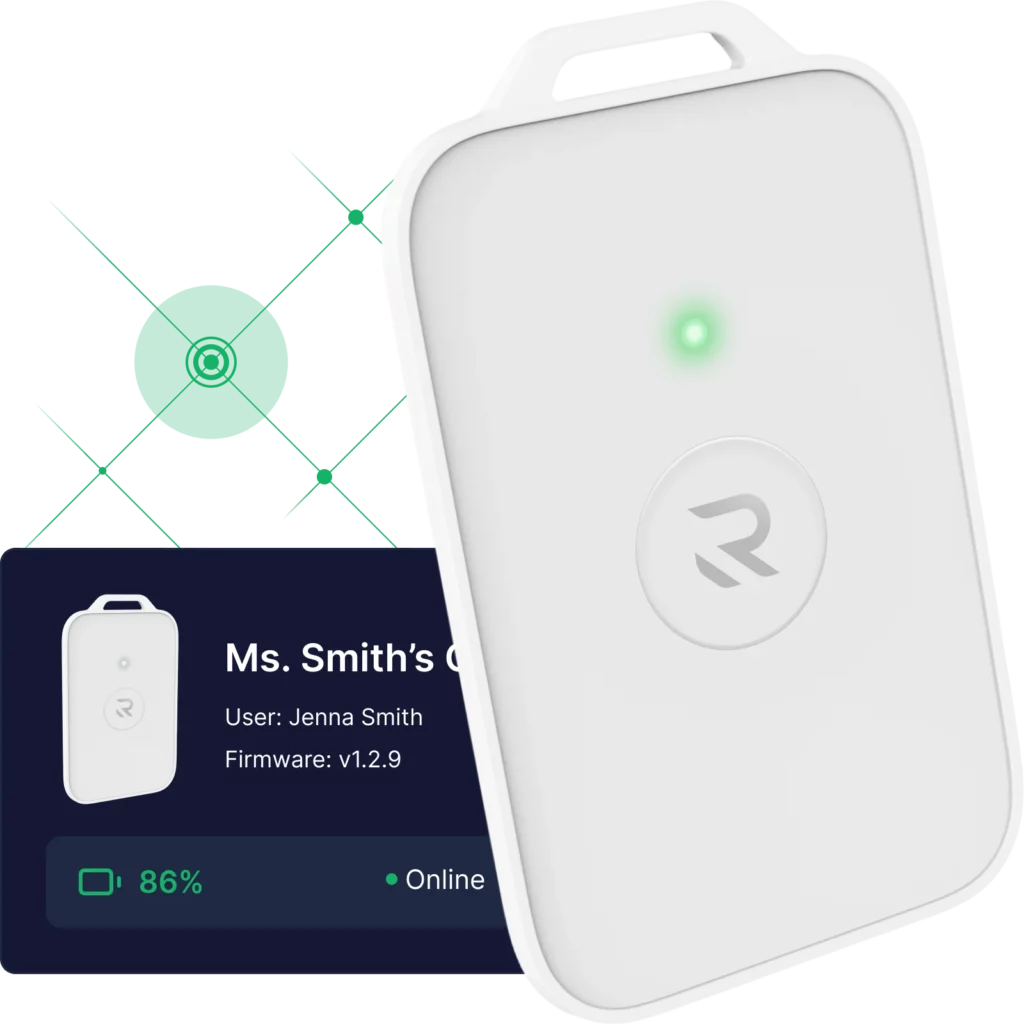
Your plan should reference every piece of communication infrastructure your school relies on. That includes intercoms, radios, mass notification systems, mobile devices, and any wearable panic button or technology your staff uses.
For each, document how it works, who manages it, what its battery or power backup situation is, and how alerts are confirmed as received. Punch Rescue offers emergency communication infrastructure built to operate independently of Wi-Fi and cellular networks, which makes documenting its role in your plan straightforward and audit-ready.
Build a Compliant School Emergency Communication Plan
If you’ve worked through this checklist and found errors, you’re not alone. Most schools do. The value is in knowing where to focus.
If you’d like to see how purpose-built emergency communication infrastructure fits into a compliant and defensible documentation framework, consider scheduling a demo or trying a pilot program.
TL;DR: What a Defensible School Emergency Communication Plan Requires
A defensible emergency communication plan requires having documented roles, tested backups, and records that hold up when someone comes asking.
- Schools should audit communication redundancy, staff role assignments, drill documentation, and infrastructure coverage as the core pillars of any plan.
- Punch Rescue offers emergency communication infrastructure that’s built to work when other systems don’t, and easy to document for compliance and audit purposes.