
In an era where safety in educational environments is more critical than ever, traditional measures like surveillance cameras and locked doors, while still foundational, are no longer sufficient on their own. The evolving landscape of school safety demands innovative solutions that can adapt to new threats and enhance protection for students and staff. This blog delves into the world of advanced school safety technology, spotlighting wearable panic buttons as a modern approach to emergency response.
The Evolving Landscape of School Safety
The safety challenges faced by schools today are not the same as those from a decade ago. With the rise in emergency situations requiring immediate action, the need for advanced, reliable solutions has never been more apparent. Adapting to these new threats means embracing technology designed to protect and empower those on the front lines of education.
Wearable Panic Buttons – A Modern Approach to Emergency Response
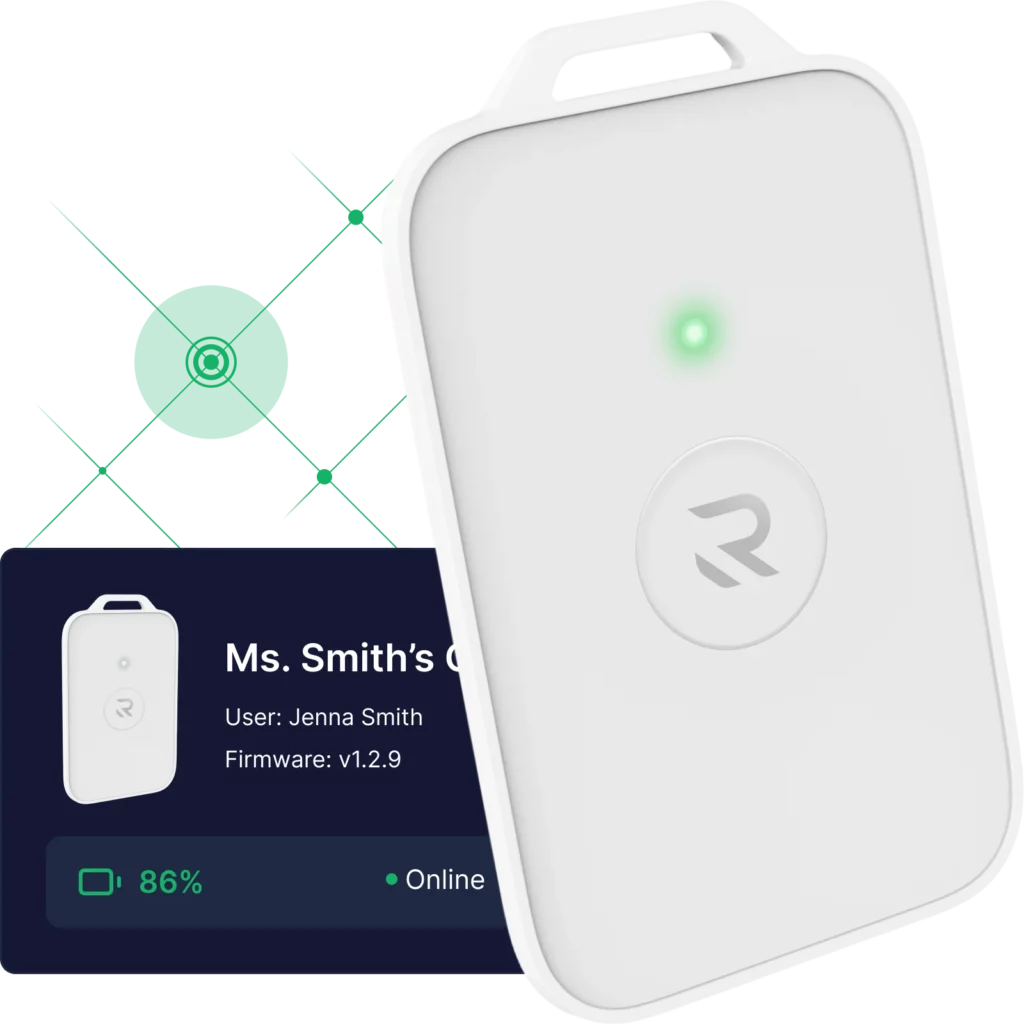
Wearable panic buttons represent a significant leap forward in school safety technology. These devices are designed to be discreet yet powerful tools, providing a direct line to assistance with the simple press of a button. Whether it’s a medical emergency, a security threat, or any other urgent situation, wearable panic buttons ensure that help is swiftly on the way, without drawing unnecessary attention.
Advantages of Advanced School Safety Technology
Integrating wearable panic buttons into school safety plans offers numerous benefits:
- Enhanced Communication: In crisis situations, effective communication is paramount. Wearable panic buttons facilitate instant communication with emergency services, reducing response times and potentially saving lives.
- Increased Confidence: Knowing that help is readily available at the press of a button can significantly boost the confidence of students and teachers, contributing to a more secure and focused learning environment.
- Real-Time Location Tracking: Advanced devices come equipped with GPS functionality, enabling first responders to pinpoint the exact location of the emergency, a crucial feature in large school campuses.
- Integration with Existing Systems: Wearable panic buttons can seamlessly integrate with existing school security systems, enhancing overall safety without the need for complete overhauls.
Implementing Wearable Safety Devices in Schools
Adopting wearable panic buttons and other advanced safety technologies involves several key steps:
- Assessing Needs: Each school’s requirements are unique. A comprehensive assessment helps identify specific safety challenges and the best solutions to address them.
- Training: For these technologies to be effective, staff and students must be trained on their use. This includes understanding when and how to activate the devices and respond to alerts.
- Establishing Protocols: Clear protocols for various emergency scenarios ensure everyone knows how to react, enhancing the effectiveness of the safety measures in place.
Success Stories – Wearable Panic Buttons in Action
Across the nation, schools have begun to see the tangible benefits of implementing wearable panic buttons. Case studies reveal scenarios where these devices have directly contributed to averting crises and significantly reducing response times. Testimonials from school administrators highlight the peace of mind and improved security posture that these technologies have brought to their institutions.
Looking Ahead – The Future of School Safety
The future of school safety lies in continuous innovation and adaptation. As technology evolves, so too will the tools and strategies at our disposal for protecting students and staff. Staying proactive in exploring and adopting these advancements will be key to maintaining safe, supportive educational environments.
Conclusion
The introduction of wearable panic buttons and other advanced technologies represents a pivotal moment in the ongoing effort to enhance school safety. By offering a discreet, reliable means of summoning help and integrating seamlessly with existing safety measures, these innovations are setting new standards for emergency response in educational settings. As we look to the future, the commitment to exploring and implementing such solutions will undoubtedly play a crucial role in fostering safer learning environments for all.
We encourage school administrators to consider the adoption of wearable panic buttons and other innovative safety technologies. Exploring these options is not just an investment in security but a profound statement of care for the community you serve. For more information on how these solutions can be integrated into your school contact our team today.