Free Pilot: Punch Rescue + Lightspeed Notify | May 5, 1PM EST | Register for Webinar
April 24, 2026

Why More Features Isn’t Always Better

When people evaluate emergency devices, one question comes up often:

  • Why doesn’t it have GPS?
  • Why not cellular?
  • Why not add more features?

On the surface, more capability sounds better. But in practice, every feature comes with a trade-off, especially when it comes to battery life, reliability, and day-to-day usability.

The trade-off most people don’t see

Devices with GPS, cellular radios, or always-on communication require significantly more power.

That typically means:

  • Frequent charging
  • Larger, more complex devices
  • Greater risk of failure at the moment they’re needed

For a device that needs to be worn by every staff member, every day, those trade-offs matter.
If it needs to be charged constantly, it won’t be consistently ready.

Designed for consistency

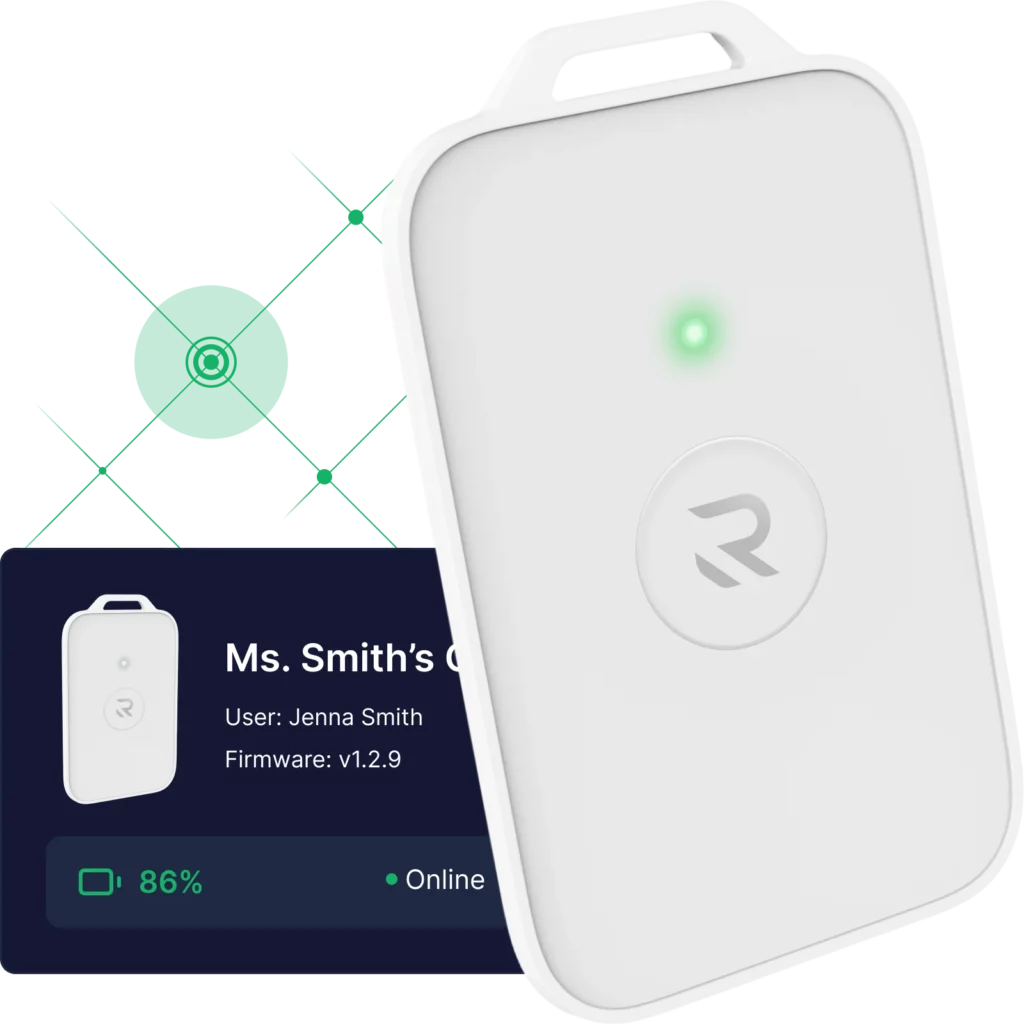
The Rescue Card is built around a different principle:

It should work reliably, with minimal maintenance, for everyone.

That’s why it uses:

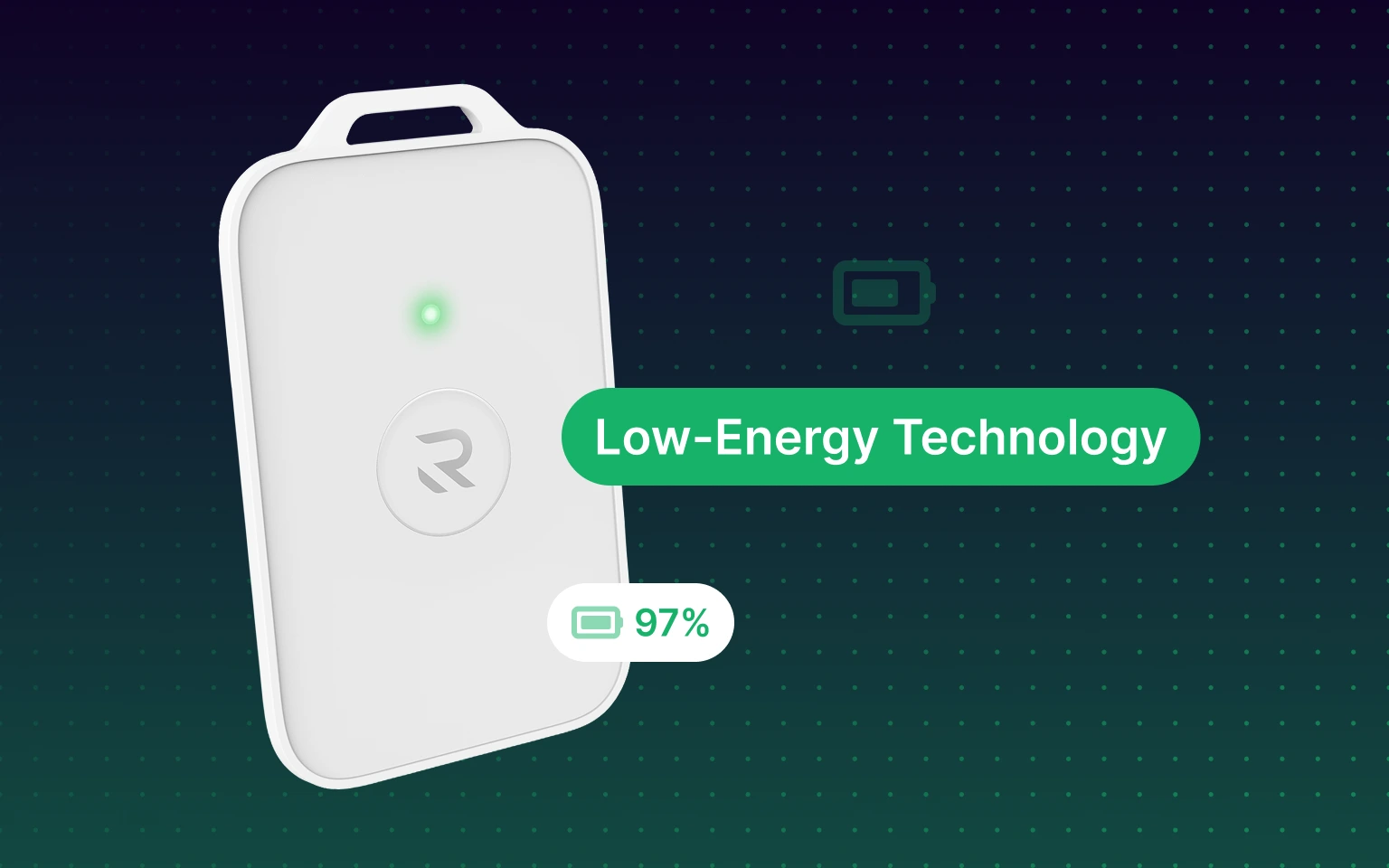
  • BLE (Bluetooth Low Energy) for continuous location awareness
  • LoRa for long-range, reliable emergency communication
  • A replaceable battery that lasts approximately one year

No need for daily charging or constant attention. It’s a device that’s ready when it’s needed.

A system, not a standalone gadget

For out-of-building scenarios, the Rescue Card can connect to a mobile device, extending functionality without requiring the card itself to carry high-power components.

This allows the system to remain low-maintenance while still supporting broader use cases when needed.

The direction this is going

Over time, wearable devices are becoming more universal.

The same card can support:

  • Identification
  • Access control
  • Emergency response

But for that to work at scale, the device has to meet a simple requirement:

It has to be low maintenance, long-lasting, and dependable.

That means making intentional trade-offs, not adding every possible feature, but selecting the ones that ensure the system works consistently across an entire organization.
Rescue Card
The Most Reliable Panic Button Card

Related Articles

Pennsylvania State Capitol building in Harrisburg representing state school safety legislation and Alyssa's Law compliance requirements
School Safety

Pennsylvania School Safety Legislation Tracker

Track Pennsylvania school safety legislation and panic button requirements. Learn about Alyssa’s Law proposals and emergency infrastructure compliance standards. In This Article: Pennsylvania hasn’t passed...

Safety Technology

The Rescue Card Platform Is Here

Punch Rescue announces the commercial availability of its unified emergency communication system — built for real conditions, not ideal ones. The Rescue Card system is...

Punch Rescue infrastructure system pieces
Safety Technology, School Safety

Why Apps Aren’t Enough: Building the Emergency Infrastructure Schools Actually Need

After years deploying panic button apps to schools, we learned speed and reliability are critical. Here’s why we built Punch Rescue’s emergency communication infrastructure. First...

How We Started

In 2017, a young lifeguard at a YMCA of Charlotte branch suffered a seizure while opening the pool alone. She fell into the water and drowned before anyone knew she needed help.

We heard the full story later that year at a conference in Seattle. Our emergency communication platform, PunchAlert, was already deployed at that YMCA, but it couldn’t help. She couldn’t unlock a phone, open an app, or call for assistance.

That tragedy exposed the fundamental constraint: when people need help most, they often can’t use the tools we’ve given them. We spent two days in Seattle with aquatics directors and risk managers, determined to solve what software alone couldn’t. The answer wasn’t another app, it was infrastructure designed for the worst-case scenarios.

Punch Rescue was born from that commitment: wearable devices that work when nothing else can, connected to infrastructure that doesn’t rely on the person in crisis to operate it. From aquatics to K-12 schools and beyond, we’ve remained focused on one principle: protecting the people who matter most, especially when they can’t protect themselves.