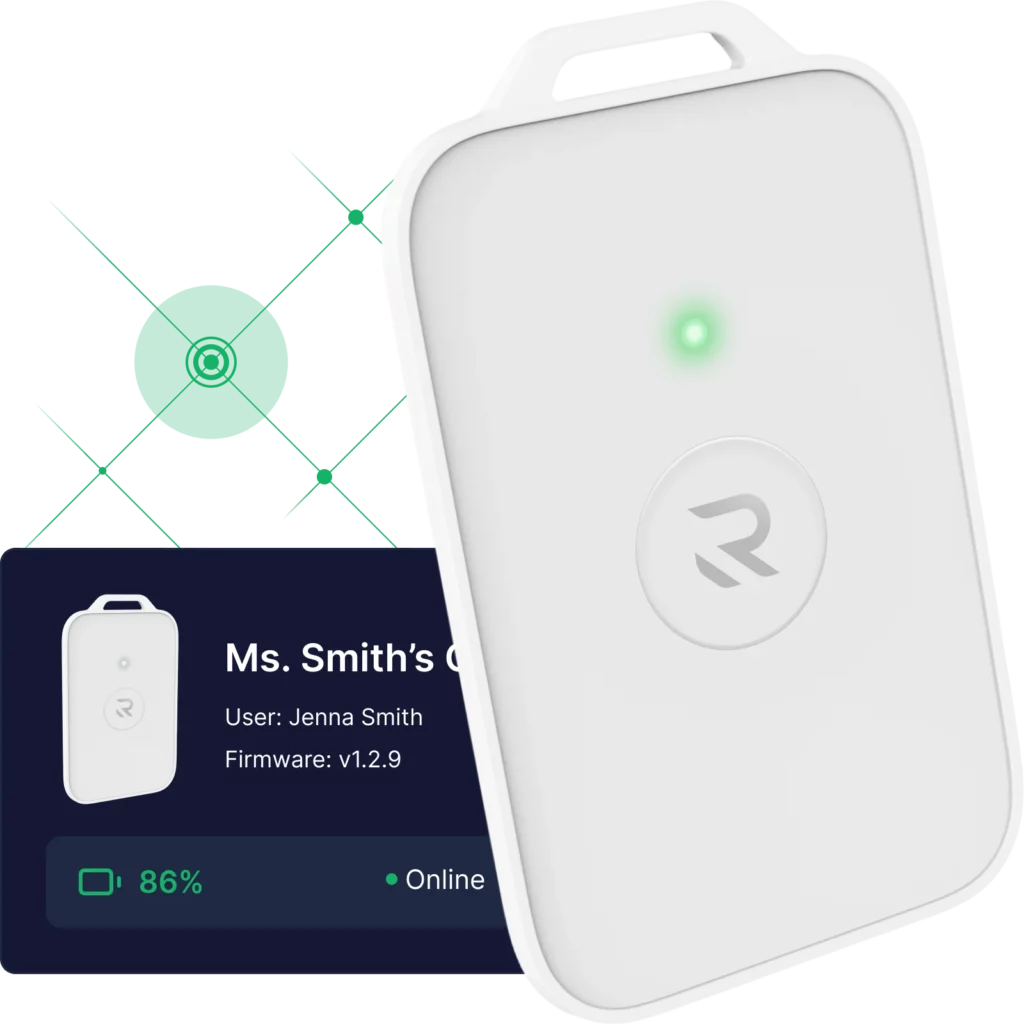

Track Pennsylvania school safety legislation and panic button requirements. Learn about Alyssa’s Law proposals and emergency infrastructure compliance standards.
Pennsylvania hasn’t passed Alyssa’s Law yet, but school safety leaders shouldn’t wait for mandates to think about emergency communication infrastructure.
With over 500 public school districts and ongoing legislative discussions about panic alarm requirements, Pennsylvania represents a significant market where proactive preparation beats reactive compliance scrambling. Below is all you need to know to meet the safety requirements as a school in this state.
What Are Pennsylvania’s Current School Safety Requirements?
Pennsylvania schools must comply with several existing safety mandates, even without specific panic button legislation.
Act 44 of 2018 requires every school entity to designate a School Safety and Security Coordinator responsible for:
- Overseeing emergency operations plans
- Coordinating with law enforcement
- Enforcing compliance with safety requirements
Emergency Operations Plans must be developed in coordination with local emergency management agencies and law enforcement, addressing:
- Evacuation procedures
- Shelter-in-place protocols
- Lockdown procedures
- Communication protocols
Ongoing Compliance requires:
- Annual reviews of safety plans
- Regular emergency drills
- Updates based on current threats and facility changes
However, Pennsylvania doesn’t currently mandate specific emergency communication technology like wearable panic buttons or silent alarm systems.
What Would Alyssa’s Law Require?
Alyssa’s Law, named in memory of Alyssa Alhadeff who was killed in the Parkland shooting, has been enacted in 11 states. Proposals in Pennsylvania would likely follow similar patterns.
Common requirements include:
- silent panic activation that doesn’t alert an intruder to alarm activation
- direct law enforcement notification with real-time coordination between schools and police
- building-wide coverage so all school facilities have emergency communication capability
- location information helping responders navigate directly to incidents
States like Texas have backed legislation with $17.1 million of funding in School Safety and Security Committee grants for 2025-2026. Georgia allocated $108.9 million for panic button implementation.
Why Should Pennsylvania’s K-12 Schools Act Now?
Waiting for legislation to pass creates predictable problems.
Budget constraints emerge when every district in the state suddenly needs funding for the same systems. Grant money becomes competitive and budget cycles don’t align with compliance deadlines. Vendor capacity limitations mean quality providers can only deploy systems at a certain pace. This makes a first-come, first-served reality for the 500+ districts that need infrastructure simultaneously.
Implementation timelines matter because rolling out emergency communication infrastructure takes time. Staff need training, systems need testing, and integration with existing workflows requires planning. Rushed implementations create coverage gaps. Schools that pilot emergency systems before mandates have advantages. These include more vendor options, better pricing, time for thorough testing, and proven systems when legislation passes.
What Should Pennsylvania Schools Prioritize?
When evaluating emergency communication infrastructure, focus on finding a system designed for resilience during degraded conditions.
Network independence matters because systems relying exclusively on Wi-Fi or cellular networks can fail when those networks become congested. Dedicated radio networks for wearable emergency buttons bypass this congestion. Battery backup should exist at every layer, since power outages occur during weather events and emergencies. Infrastructure should include battery backup in devices, repeaters, and base stations.
Your school will also want to get systems with:
- building-wide coverage to address the reality that modern construction materials create dead zones
- strategically placed repeaters, so signals reach basements, stairwells, and interior rooms
- simple activation under stress with one-button wearable panic buttons that reduce the cognitive load of users (compared to multi-step app navigation)
- documentation for defensibility through real-time device monitoring, drill logs, and testing records to prove due diligence when stakeholders ask about preparedness
Where Can Pennsylvania Schools Track Safety Legislation?
Pennsylvania school leaders should monitor legislative developments through the Pennsylvania General Assembly website for bill tracking and committee hearings. The Pennsylvania School Boards Association provides advocacy updates and member resources. The Pennsylvania Department of Education offers guidance on safety requirements and grant opportunities. The National Conference of State Legislatures tracks Alyssa’s Law proposals nationwide.
How Can Pennsylvania Schools Prepare Before Alyssa’s Law Passes?
Pennsylvania schools don’t need to wait for legislation to improve emergency infrastructure.
Request a pilot program from any vendor to test systems in actual buildings before district-wide commitment. Verify coverage in dead zones, validate battery claims, and see how staff respond to interfaces. Document evaluation processes so when decisions are made, records showing systematic evaluation based on infrastructure resilience demonstrate defensibility.
Build staff familiarity through regular drills with emergency systems to create procedural memory. Familiarity turns training into instinctive action under stress. Connect with early adopters to learn from districts that have already implemented panic button systems, understanding what worked, what didn’t, and what they wish they’d known.
Why Should Pennsylvania Schools Act Before Mandates?
Being ahead of legislation gives Pennsylvania schools advantages that won’t exist once mandates pass. You can evaluate thoughtfully, pilot thoroughly, and deploy strategically instead of scrambling for compliance.
Your students and staff deserve emergency infrastructure that works when conditions degrade. The time to build that infrastructure is before you’re required to rush.
Contact our team to discuss how Punch Rescue addresses likely Pennsylvania requirements while supporting defensible preparedness today.
TL;DR: Pennsylvania School Safety Legislation in 2026
Has Pennsylvania Passed Alyssa’s Law?
Not yet. Pennsylvania has existing safety requirements including Act 44 coordinators, emergency operations plans, and annual drills, but doesn’t mandate specific panic button technology. However, 11 states have enacted Alyssa’s Law and Pennsylvania discussions continue.
What Would Alyssa’s Law Require?
Based on other states, likely requirements include silent panic activation with direct law enforcement notification, building-wide coverage across all school facilities, real-time location information for responders, and potential state funding similar to Texas’s $17.1 million or Georgia’s $108.9 million allocations.
Why Should Pennsylvania Schools Act Now?
Waiting creates budget scrambles when 500+ districts need funding simultaneously, vendor capacity constraints during compliance rushes, rushed implementations without adequate testing, and no time for pilot programs or staff training. Early adopters get better vendor selection, pricing, and implementation timelines.